
Gibbaeum pubescens
Gibbaeum pubescens
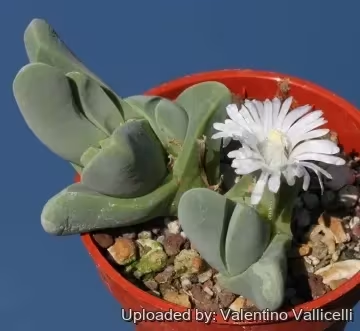
Description
Sowing dates
Seeds of Gibbaeum pubescens should be sown in early spring to take advantage of the increasing photoperiod. Using a shallow tray filled with a sterile, well-draining mixture of coarse sand and perlite is essential for successful germination.
Sow the seeds thinly on the surface of the moist substrate and press them lightly without burying them. Covering the tray with clear plastic or glass helps maintain the necessary humidity levels during the initial phase of development.
Germination typically occurs within 14 to 28 days if kept at temperatures between 20 and 25 degrees Celsius. Constant observation is required to ensure that the humidity is not excessive, which could lead to seedling damping-off.
Once seedlings emerge, introduce fresh air circulation gradually by increasing the ventilation in the seedling chamber. This practice hardens the young plants and prepares them for the transition to an open environment.
Repotting into individual small pots should be delayed until the plants are well-established. Minimal disturbance of the roots is crucial, as the young root systems of Gibbaeum species are particularly delicate during the first months of life.
Growing requirements
Gibbaeum pubescens belongs to the Aizoaceae family and is native to the arid regions of the Cape Province in South Africa. It has evolved to survive in extremely harsh, rocky environments with limited moisture availability.
The botanical structure of this succulent is defined by its stone-like, pubescent leaves that grow in pairs. The fine hairs on the surface serve as a protective layer, reflecting excess sunlight and reducing transpiration in intense heat.
This species requires high light intensity and will thrive in full sun exposure. In indoor cultivation, a south-facing window or supplemental grow lights are often necessary to maintain the plant's characteristic compact, low-growing habit.
Watering frequency should be strictly regulated. It is imperative to allow the growing medium to dry out completely between sessions. During the winter dormancy, the plant should be kept almost completely dry to prevent rot.
The ideal potting medium must be highly porous and mineral-based. A mix of pumice, coarse sand, and a small portion of loamy soil ensures adequate drainage, preventing the roots from suffocating in stagnant water conditions.
Main diseases and pests
Root rot is the most significant threat to Gibbaeum pubescens, often caused by overwatering or poor drainage. Once the root system is compromised, the plant usually displays rapid tissue collapse and decay.
Mealybugs are the most common insect pests, often hiding in the narrow crevices between the paired leaves. These pests extract sap and can significantly weaken the succulent if not treated promptly with mechanical removal.
Red spider mites can infest the plant, especially in stagnant, dry air conditions. Their feeding leaves discolored patches on the epidermis, which mars the appearance and reduces the plant's photosynthetic efficiency.
When applying pest control products, avoid oils or heavy detergents that might burn or clog the stomata of the pubescent surface. Using systemic granules incorporated into the soil is often a safer approach for this species.
Regular inspections and keeping the plant in an environment with excellent air circulation are the best prophylactic measures. Avoiding debris accumulation around the plant base is also key to preventing fungal infections.