
Gentiana pumila
Gentiana pumila
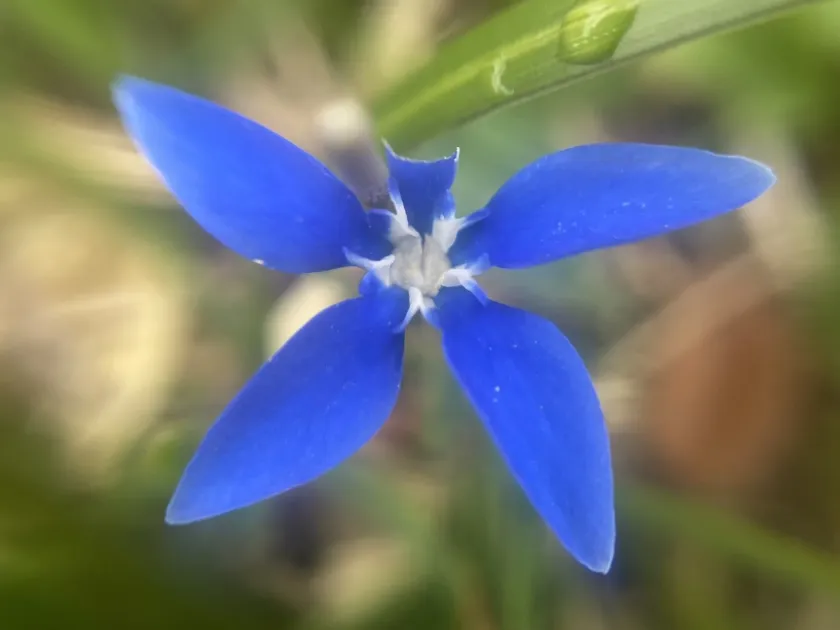
Description
Sowing dates
Gentiana pumila seeds exhibit dormancy, requiring a period of cold stratification for 1 to 2 months at temperatures near freezing to trigger germination.
The most effective sowing method involves outdoor planting in late autumn, allowing the natural winter cycle to satisfy the seeds' chilling requirements before spring.
For indoor propagation, seeds should be sown in containers during late winter and placed in cold frames or unheated greenhouses to ensure consistent cooling.
Surface sowing is recommended, as the seeds are minute and rely on light exposure; a light dusting of fine grit or vermiculite is sufficient to hold them in place.
Seedlings develop slowly, spending the first season focusing on root and basal rosette formation rather than vertical growth.
Growing requirements
Belonging to the Gentianaceae family, Gentiana pumila is an alpine specialist that thrives in high-altitude environments characterized by crisp, cool air.
The ideal growing medium is a well-draining, gritty soil mix that prevents water accumulation around the crown, which is prone to rot in stagnant moisture.
While the plant requires abundant light to maintain its compact form, it benefits from partial shade during the peak heat of the day to prevent desiccation.
Mulching the surface with small granite chips or gravel is a critical agronomic practice to keep the root zone cool and prevent contact between foliage and wet soil.
Watering must be precise; the substrate should remain consistently moist but never waterlogged, demanding a careful balance that mirrors alpine drainage patterns.
Yield
The primary utility of Gentiana pumila lies in its pharmaceutical significance, as its tissues contain specific bitters and iridoid glycosides used in herbal medicine.
Commercial harvest is rare due to the slow maturation of the species, often making cultivation a niche activity for specialized nurseries and extract producers.
Harvesting the aerial parts for medicinal extracts is performed during the flowering phase, ensuring the highest concentration of active compounds is captured.
Sustainable practice dictates that root harvesting should be reserved for older, well-established plants to avoid depletion of the growing population.
In decorative horticulture, yield is defined by the plant's ability to produce vibrant floral displays, which depend heavily on stable climatic conditions throughout the season.
Main diseases and pests
Fungal diseases are the most common concern, particularly those that thrive in stagnant air, leading to foliage spotting and potential crown dieback.
Gastropods, including slugs and snails, are major pests that target the delicate leaves and flower buds, necessitating barrier protections or safe pest management.
Root-knot nematodes can severely affect the plant's vigor by interfering with nutrient uptake, often leading to stunted growth that is difficult to remediate.
Preventative care relies on maintaining good sanitation, removing decaying plant litter, and ensuring the spacing is adequate to prevent humidity buildup.
Monitoring for signs of wilting or discoloration is essential for early intervention, as the sensitive nature of the species leaves little room for recovery once severe damage occurs.