
Pannonian gentian
Gentiana pannonica
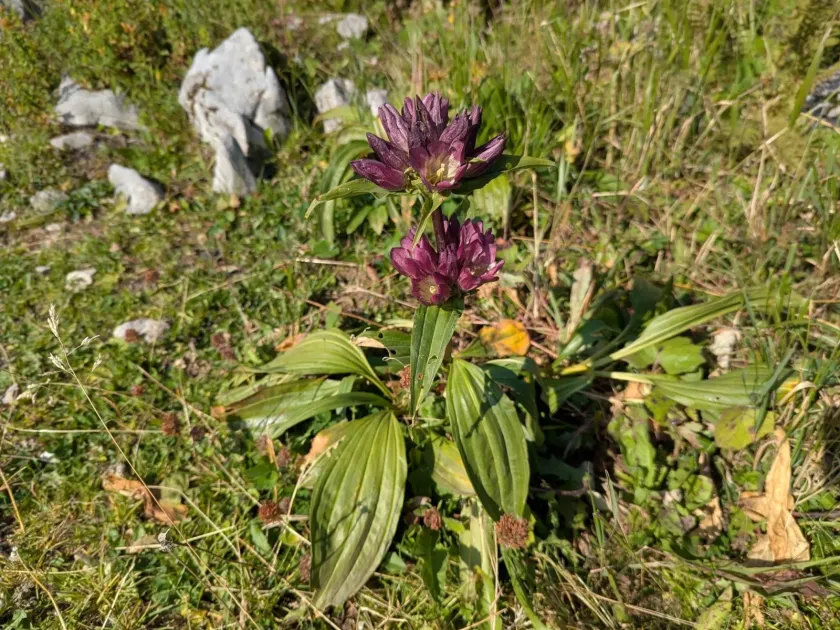
Description
Sowing dates
Sowing Pannonian gentian seeds is best performed in the autumn directly into prepared outdoor soil. As a mountain species, the seeds require a period of cold stratification to break dormancy, which naturally occurs during the winter months.
For spring sowing, seeds must be artificially stratified. Keeping seeds in a cold, moist environment at temperatures around 2–4 degrees Celsius for at least two to three months is essential for successful germination.
Because the seeds are extremely small, they should be sown on the surface of the soil. They require light to germinate, so they should not be buried deeply; a light dusting of fine sand is sufficient to keep them in place.
Using a seed tray for the initial growth phase is recommended, as it allows for better control over moisture and weeding. Transplanting into the permanent field should only occur once the plants have developed a sturdy root system.
Early development is characteristically slow. During the first growing season, keeping the seedbed free of weeds is crucial, as the young seedlings are easily outcompeted by more aggressive plant species.
Growing requirements
Pannonian gentian thrives in cool, moist climates characteristic of its high-altitude native habitats. It performs best in locations that experience moderate temperatures throughout the summer without intense heat stress.
The plant prefers fertile, well-draining soils with high organic matter content. A loamy or slightly peaty substrate with a neutral to slightly acidic pH is ideal for promoting healthy root development.
While the plant can tolerate partial shade, it prefers a site that receives significant morning sunlight. Ensuring that the root zone remains cool, especially in lower altitudes, is achieved through organic mulching around the base of the plant.
Winter hardiness is a major advantage of this species. Being native to alpine regions, it is fully capable of surviving harsh winters under a snow cover without the need for additional protection measures.
Regular maintenance involves keeping the soil aerated and moist. The plant does not tolerate standing water, so choosing a site with good drainage is more important than in the case of many other medicinal crops.
Yield
The economic value of Pannonian gentian is primarily centered on its roots, which are highly prized for their content of bitter glycosides. The yield is determined by the age of the crop and the health of the root system.
Harvesting usually takes place 4 to 5 years after planting. By this stage, the root mass has reached its maximum size and concentration of bioactive compounds, ensuring the highest quality of raw material.
Proper spacing between plants is essential for maximizing yield. Overcrowded fields result in thinner, less developed roots, which reduces the overall productivity of the medicinal herb plantation.
Soil fertility management, including the use of compost or organic fertilizers, significantly impacts root development. Consistent moisture levels during the peak growth months lead to more robust root structures.
The long-term nature of this crop allows for stable planning. Once established, the plantation requires minimal intervention, providing a consistent supply of harvestable root material for the pharmaceutical industry.
Main diseases and pests
Fungal diseases, particularly root rots, represent the most significant threat to Pannonian gentian, especially in areas with poor drainage or excessive humidity. Prevention through site selection is key.
Pests such as slugs and snails can cause substantial damage to young seedlings, particularly in the spring when the foliage is soft and tender. Protection with physical barriers may be necessary for newly established plots.
Aphids may occasionally attack the plants during hot, dry periods, weakening the crop. While they rarely destroy the plant, they can reduce the plant's vigor and its ability to store nutrients in the roots.
Integrated pest management, focusing on early detection and maintaining plant vigor, is the most effective strategy. Avoiding high-density planting prevents the spread of pathogens that thrive in stagnant, humid air.
Chemical control should be avoided whenever possible, as the roots are intended for medicinal use. Reliance on cultural practices like crop rotation and sanitation is the preferred method for maintaining healthy fields.
Harvesting
Harvesting Pannonian gentian takes place in the autumn as the plant enters dormancy. This timing is critical, as it ensures that the concentration of bitter compounds within the roots is at its peak level.
The roots are carefully lifted from the soil using mechanical diggers or manual tools. Care must be taken to minimize damage, as broken roots can lead to a loss of sap and reduced quality in the final product.
After excavation, the roots are thoroughly cleaned of all soil and debris using cold water. Any damaged, decayed, or necrotic segments are discarded to prevent contamination of the high-quality stock.
Drying is the final crucial step. The roots are cut into manageable pieces and dried in controlled conditions. Temperatures should not exceed 50 degrees Celsius to avoid degrading the chemical composition of the plant.
The dried roots are stored in breathable, dry environments away from sunlight and moisture. When properly processed, the medicinal raw material retains its potency for years, making it suitable for long-term storage and trade.