
Gentiana ornata
Gentiana ornata
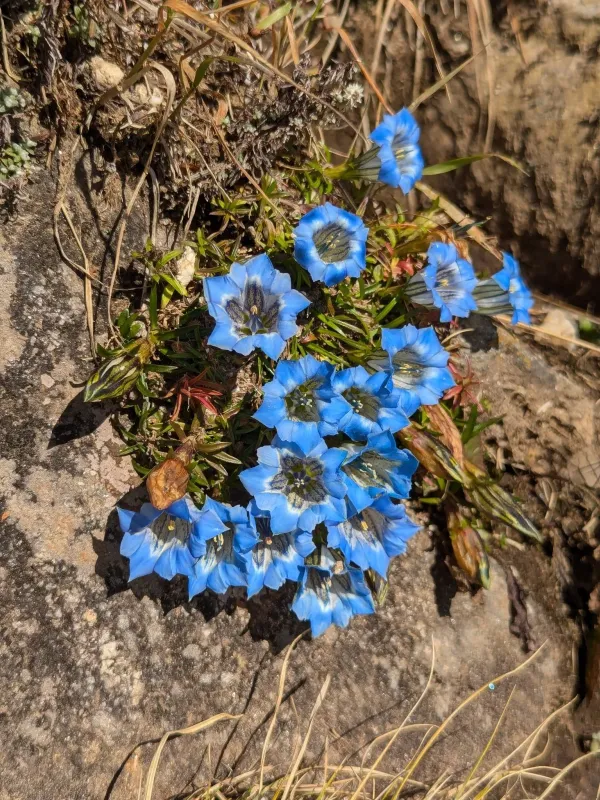
Description
Sowing dates
Gentiana ornata, commonly known as the ornamental gentian, is a perennial herbaceous plant belonging to the Gentianaceae family. Commercial and garden propagation is primarily achieved through seeds or vegetative division of mature clumps in spring.
Seeds require a period of cold stratification for approximately 6 to 8 weeks to break dormancy. This process is essential for achieving uniform germination and establishing vigorous seedlings during the early growth stage.
Sowing should be performed in a light, well-draining substrate. Seeds are light-dependent, so they should be surface-sown or only lightly covered with a thin layer of fine sand to ensure proper light exposure.
When grown indoors, maintain temperatures between 15°C and 18°C. Excessive heat can cause seedlings to become spindly, increasing their susceptibility to mechanical damage and reducing their overall resilience.
Pricking out seedlings is recommended once the first true leaves appear. Careful handling of the root system is crucial at this stage to minimize transplant shock when moving the plants to their final location.
Growing requirements
Native to the high-altitude regions of the Himalayas, this species thrives in cool, moist environments. It is best suited for rock gardens or areas where soil moisture can be strictly managed throughout the season.
The plant requires acidic to neutral, highly porous soils. Heavy clay soils must be amended with peat, leaf mold, and grit to ensure excellent aeration and drainage, which are critical for preventing root suffocation.
Although it enjoys sunlight, in regions with hot summers, partial shade is highly recommended to protect the foliage from midday scorch. Sufficient humidity in the air is as important as soil moisture.
Mulching the base of the plant with fine gravel or stone chippings helps maintain soil temperature and moisture levels. This also prevents the plant’s crown from rotting due to direct contact with damp soil.
Regular but moderate watering is necessary during active growth. Avoid high-nitrogen fertilizers; instead, use balanced, low-dose liquid feeds formulated for acid-loving plants to encourage healthy flowering.
Main diseases and pests
Slugs and snails are the most significant pests for Gentiana ornata. They are particularly active during damp weather and can quickly defoliate young plants. Barrier methods or approved molluscicides are standard control measures.
Botrytis (gray mold) can become a serious problem in stagnant air or excessively humid conditions. Removing decaying plant matter and ensuring good airflow around the clumps is the best preventative strategy.
Leaf spot diseases caused by various fungal pathogens may appear if the foliage stays wet for extended periods. Fungicidal sprays based on copper or systemic agents can be used if an outbreak occurs.
Aphids can occasionally infest the flower buds during late spring and summer. If detected early, they can be controlled with insecticidal soap or specific systemic insecticides that do not harm the plant tissue.
Physiological disorders, such as iron chlorosis, are common if the soil pH becomes too alkaline. Monitoring soil acidity and providing corrective amendments is vital for maintaining the plant’s deep green foliage and vibrant bloom color.