
Gentiana ligustica
Gentiana ligustica
Description
Growing requirements
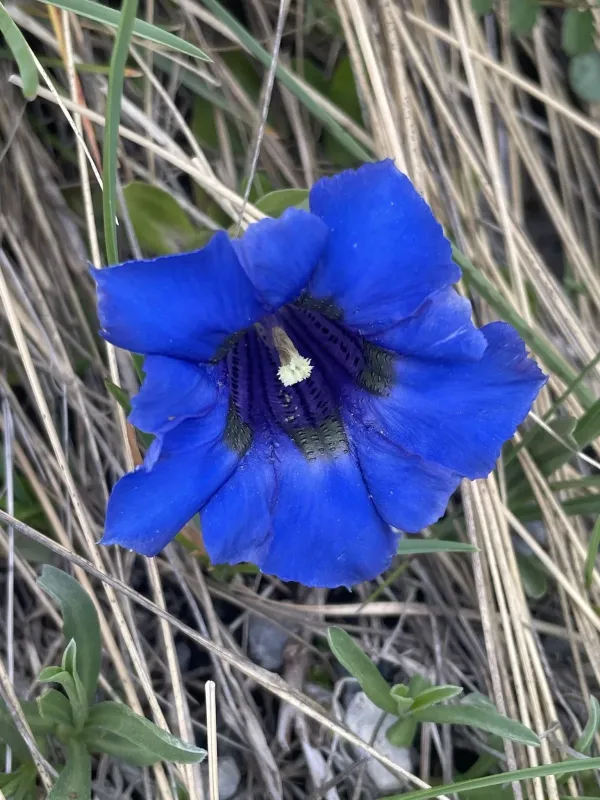
Gentiana ligustica is a perennial herbaceous plant belonging to the Gentianaceae family, native to the mountainous regions of Liguria in Italy. This species is highly valued in horticulture for its intense cobalt-blue trumpet-shaped flowers and compact, rosette-forming habit.
The plant thrives in cool, alpine-like climates. In a garden or cultivation setting, it requires a position with partial shade or filtered light, as the intensity of direct midday sun can be detrimental to its delicate foliage and may lead to heat stress.
Success in growing this species depends heavily on the soil composition. It demands a well-draining, slightly acidic to neutral substrate. Incorporating grit, coarse sand, and organic matter into the soil helps ensure that moisture can pass through without accumulating around the crown.
Maintaining consistent moisture is crucial for the health of Gentiana ligustica. While it cannot tolerate waterlogged conditions, it is equally intolerant of prolonged drought. Regular, careful irrigation is needed, particularly during the active growing season in late spring and summer.
Cultural practices include applying a layer of fine stone mulch around the base of the plant. This helps to regulate soil temperature, suppress weeds, and prevent the lower foliage from rotting due to direct contact with damp soil.
Main diseases and pests
Fungal pathogens represent the most significant threat to the plant's health, often triggered by stagnant air or excessive soil moisture. Botrytis and various leaf spot fungi can compromise the plant's structure; treating them with appropriate fungicides is necessary upon the first sign of infection.
Slugs and snails are major pests, especially during wet weather conditions, as they feed on the succulent leaves and developing buds. Manual removal or the use of organic-friendly molluscicide pellets is standard practice for effective population control in garden areas.
Aphids can congregate on the undersides of leaves and on stems, extracting sap and causing stunted development. If an infestation is detected, insecticidal soap or neem oil applications are usually sufficient to eradicate the pests without harming the plant.
Root rot occurs if drainage is insufficient, leading to the rapid decay of the plant's primary root system. Preventing this starts at the planting phase, where a deep drainage layer of gravel must be established to ensure the roots remain aerated.
While relatively hardy, the plant can occasionally suffer from nutritional deficiencies if the soil pH is not maintained within the desired range. Regular testing and the use of specialized fertilizers for acid-loving or alpine plants can help keep the specimens vigorous.