
Gentiana lhassica
Gentiana lhassica
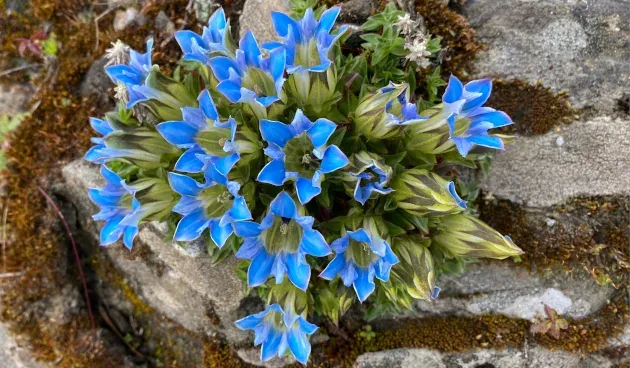
Description
Sowing dates
The sowing of Gentiana lhassica seeds is most effective during the winter period, as the seeds require natural stratification to break dormancy and ensure high germination rates.
When starting seeds in a nursery, a pre-chilling period of at least eight weeks at temperatures between 0 and 5 degrees Celsius is necessary to simulate alpine conditions.
Seeds should be surface-sown on moist, well-draining substrate as they require light to germinate; therefore, they should not be buried deeply beneath the soil surface.
Once the seedlings reach the stage of producing two or three true leaves, they should be carefully pricked out, taking extreme caution to protect the delicate root system from damage.
Transplanting to the final location is performed in late spring once the danger of frost has passed, ensuring adequate spacing between plants to maintain optimal airflow.
Growing requirements
Gentiana lhassica is a member of the Gentianaceae family, native to the high-altitude regions of the Tibetan Plateau, which dictates its specific environmental preferences.
The plant thrives in well-draining, slightly acidic to neutral soils rich in organic matter, as it is highly sensitive to waterlogged conditions that can cause rapid root decay.
It prefers a location with partial shade or dappled light, which helps mimic its natural habitat and protects the foliage from intense midday heat during summer months.
Agricultural management requires consistent moisture levels, which can be achieved through regular watering and mulching with gravel to maintain a cool root zone.
In cultivation, providing a rocky or stony substrate around the crown of the plant is recommended to improve drainage and prevent the stems from rotting due to excess humidity.
Main diseases and pests
Fungal diseases, including gray mold and various leaf spots, are the most frequent threats, particularly when environmental conditions involve poor ventilation and high humidity.
Disease prevention strategies focus on promoting air circulation around the plants, maintaining proper soil drainage, and applying fungicides if early signs of infection appear.
Slugs and snails are the primary pests that damage Gentiana lhassica, feeding aggressively on new shoots and soft foliage, especially during moist spring weather.
Management of these pests involves physical barriers, regular monitoring, and the use of environmentally safe molluscicides to minimize damage during the early growth stages.
Under optimal growing conditions and proper site selection, this species is generally robust and rarely suffers from catastrophic health issues.