
Gentiana frigida
Gentiana frigida
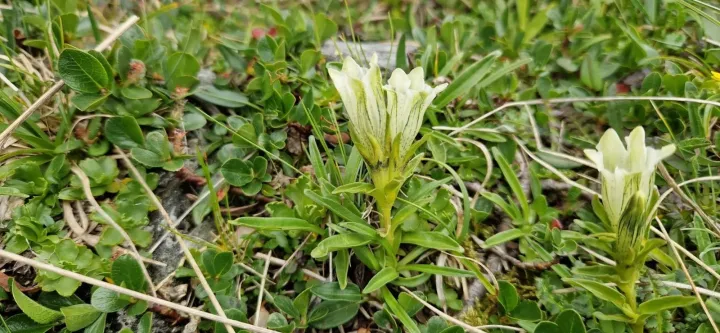
Description
Sowing dates
Propagation of Gentiana frigida is a delicate process that relies heavily on cold stratification. For best results, seeds should be sown outdoors in autumn to allow them to experience natural winter temperatures.
If sowing indoors, seeds must be kept in a cold environment (2-4°C) for at least two months to break dormancy. After this period, they should be moved to a brighter area with moderate temperatures to stimulate germination.
Seedlings emerge slowly and require consistent moisture levels. Overwatering must be avoided, but the substrate should never be allowed to dry out completely, as this can lead to immediate seedling death.
Transplanting should be handled with extreme care due to the sensitive nature of the root system. It is best to wait until the plant has developed a strong set of true leaves before moving it to a container or garden bed.
Young plants perform best in containers initially, which allows for better control over soil composition and moisture levels during the crucial first year of growth.
Growing requirements
Gentiana frigida is a member of the Gentianaceae family, natively occurring in cold, high-elevation environments. It is characterized by its resilience to harsh, mountainous climates and short, cool growing seasons.
The plant thrives in cool, moist conditions and suffers under the influence of extreme heat or direct, scorching sunlight. Sites with light, filtered shade are ideal for long-term survival.
A well-draining, humus-rich soil is essential for this species. It prefers neutral to slightly acidic conditions and strictly avoids alkaline or lime-heavy substrates which can stunt its growth.
Regular irrigation is necessary throughout the growing season. Using softened or rainwater is preferable, as tap water containing high mineral content can alter soil pH and harm the plant's roots.
Good air circulation is vital to prevent heat build-up and disease. Incorporating gravel or coarse grit into the soil mix helps improve drainage, which is critical for winter survival.
Main diseases and pests
Fungal diseases, specifically Botrytis, are the primary concern for Gentiana frigida when airflow is poor or humidity is excessively high. Maintaining clean growing conditions is the best form of prevention.
Powdery mildew can occur during periods of high humidity and heat. If signs appear, targeted treatment with an appropriate fungicide is recommended to prevent spreading across the foliage.
Slugs and snails are major pests that can damage tender leaves and stems overnight. Implementing barriers such as copper tape or organic baits is effective in protecting the plants during the growing phase.
Aphids can occasionally infest the flower buds, causing malformation. Periodic inspections allow for early detection and manual removal or the application of gentle insecticidal soaps.
Chlorosis is a frequent issue if the plant is grown in unsuitable, non-acidic soil. Regular monitoring of the substrate pH and the addition of iron chelates can help maintain plant vigor and foliage color.