
Ganoderma
Ganoderma
The cultivation of Ganoderma, commonly known as Reishi, begins with the inoculation of a prepared substrate with high-quality grain spawn. Industrial production takes place in strictly sterile, controlled environments.
What the section contains


Ganoderma
The preferred substrate consists of hardwood sawdust mixed with organic supplements like wheat bran. This mixture is sterilized under pressure to eliminate competing molds and bacteria before seeding.
The incubation phase lasts between 30 and 60 days. During this time, the mycelium colonizes the entire substrate block. Total darkness is required to ensure vigorous growth and prevent premature fruiting.
Once colonization is complete, the blocks are transferred to fruiting rooms. Changes in light, humidity, and oxygen levels are introduced to trigger the initiation of the mushroom primordia.
Using certified, high-vigor spawn is essential to ensure a uniform crop and to minimize the risk of failure during the sensitive stages of development.
Ganoderma is a tropical species, requiring steady temperatures between +22°C and +28°C. Consistent thermal management is crucial for the optimal development of the fruiting bodies.
Relative humidity must be maintained at a high level, specifically between 85% and 95%. Automated misting systems are standard to ensure the substrate does not dry out during the fruiting process.
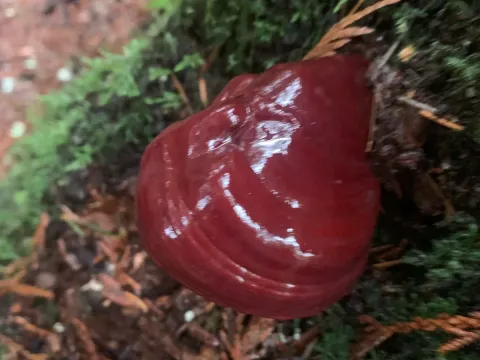
Unlike many other indoor-grown mushrooms, Ganoderma requires diffused light to develop properly. Adequate light exposure results in the characteristic reddish, varnished appearance of the caps.
Proper air exchange is vital to control carbon dioxide levels. High CO2 levels will cause the mushrooms to produce long, thin stems instead of broad, flat, and marketable caps.
Water quality is of paramount importance as medicinal mushrooms act as bioaccumulators. Using pure, filtered water is necessary to prevent the concentration of heavy metals in the harvest.
The yield of Ganoderma is calculated based on the biological efficiency relative to the dry weight of the substrate, typically ranging from 15% to 25% under commercial conditions.
Production cycles generally yield two distinct flushes. The first flush is typically the largest and contains the highest concentration of bioactive compounds desired for pharmaceutical use.
A single mature fruiting body can weigh up to 500 grams with intensive farming methods. Maximizing weight depends on the density of the substrate and the genetic potential of the strain.
To optimize productivity, growers must monitor the health of the mycelial network throughout the entire cycle. Consistent microclimate management ensures fewer losses during the harvest phase.
Successful farms prioritize long-term consistency over massive individual specimens, ensuring each mushroom meets strict pharmaceutical or nutritional quality standards.
The primary biological threat to a Ganoderma operation is Trichoderma, or green mold. Once introduced, it can rapidly colonize and ruin entire substrate blocks if environmental control fails.
Bacterial blotch is a common issue caused by stagnant water or poor air circulation. It manifests as slimy, discolored spots on the mushroom surface, rendering it unsellable.
Fungus gnats (sciarid flies) represent a major pest issue. Their larvae feed on the mycelium and can burrow into the developing fruiting bodies, leading to rapid deterioration.
Mites can also infest cultivation rooms, as they carry fungal spores and damage the integrity of the mycelium. Rigorous sanitation protocols are the only effective preventive measure.
- Strict sterilization of all equipment and substrate before use.
- Installation of fine-mesh insect screening on all ventilation intakes.
- Periodic deep cleaning and sanitization of the growing rooms using approved fungicides.
The harvest occurs when the outer edges of the cap stop expanding and the spores begin to release. This is the stage where the mushroom reaches its peak medicinal potency.
Fruiting bodies should be harvested using a sterile, sharp knife to cut them cleanly at the base. Any residual stump must be removed to prevent mold from developing on the old growth.
Immediate drying is required after harvest to stop enzymatic activity. The mushrooms should be dried at temperatures not exceeding +45°C to preserve their heat-sensitive therapeutic compounds.
Freshly harvested mushrooms have a very short shelf life. Most commercial operations process the harvest immediately into dried slices, fine powders, or concentrated extracts.
A well-processed Ganoderma product is firm, has a distinct woody scent, and retains its vibrant, natural color, ensuring high consumer value for the final product.