
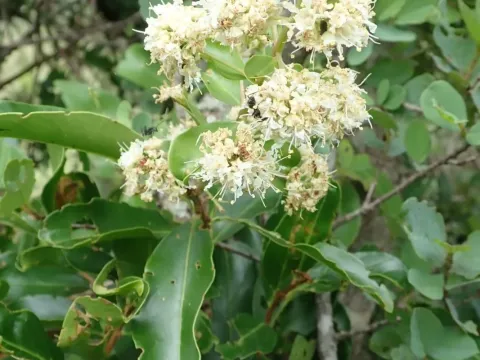
Galpinia
Galpinia
Galpinia is a genus of evergreen shrubs and small trees belonging to the Lythraceae family, primarily native to the tropical and subtropical regions of Southern Africa. Its most common representative, Galpinia transvaalica, is highly valued for its dense foliage and fine ornamental appearance.
What the section contains

Galpinia
The crop requires full sun exposure and well-drained, fertile soil conditions to thrive. It is particularly sensitive to soil compaction and waterlogging, which can cause significant damage to its root system during the active growth phase.
In terms of climatic requirements, Galpinia prefers warm, frost-free environments. In areas where temperatures drop below freezing, it must be protected or grown in controlled environments to prevent cold damage.
Regular maintenance involves moderate watering and periodic pruning, which encourages the development of a dense, bushy crown. This makes the plant an excellent candidate for formal hedges and landscape design projects.
The nutrient requirements focus on balanced NPK applications during the spring and summer months to support lush growth and sustained flowering potential throughout the warm season.
Common threats to Galpinia include various fungal diseases, often caused by high humidity and inadequate air circulation within the plant canopy.
Pests such as spider mites and aphids are frequently encountered, especially in greenhouses or during dry, hot spells, which can cause leaf drop and stunted growth.
Integrated pest management strategies are recommended, including regular inspection of the leaves and early intervention with biological or chemical control agents.
To maintain plant health, it is essential to keep the area around the base of the shrub free from debris, which can harbor pests and promote fungal spore growth.
Implementing proper spacing between plants during the initial planting phase is a crucial agronomic step for minimizing disease outbreaks and ensuring long-term plant vitality.