
Galpinia transvaalica
Galpinia transvaalica
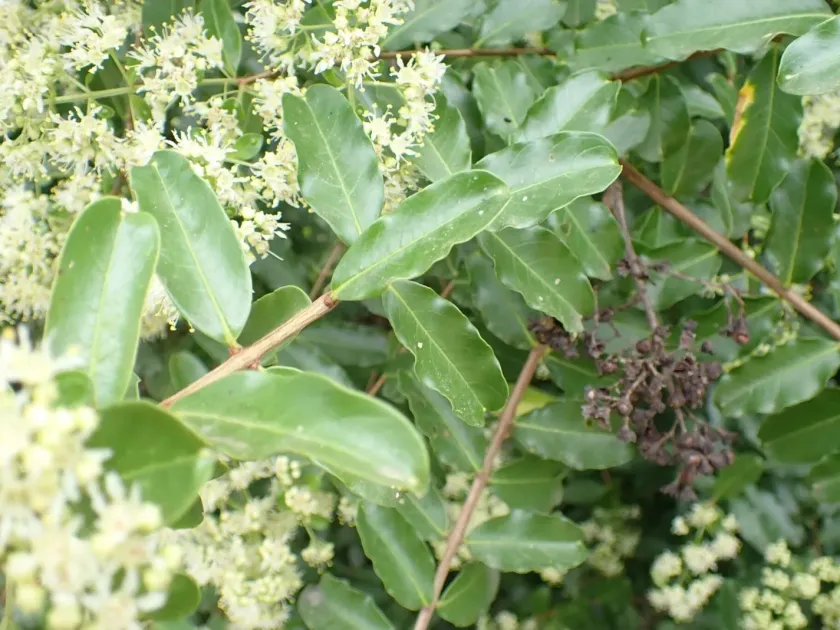
Description
Sowing dates
Propagation of Galpinia transvaalica (Transvaal privet) is typically performed via seeds or semi-hardwood cuttings. Seeds require a period of stratification to break dormancy and ensure uniform germination rates.
When sowing, use a well-draining soil medium rich in organic matter. Maintaining a soil temperature of approximately +22°C to +25°C is critical for successful emergence of seedlings within the first few weeks.
Cuttings should be taken during the active growth phase, ideally in late spring. Using rooting hormones can significantly increase the success rate when propagating this species in nursery conditions.
Young plants require careful attention to humidity levels during the initial weeks. Once they develop a sturdy root system, they can be transplanted into larger containers or permanent locations in the garden.
Early maintenance includes protecting young saplings from harsh winds and intense direct sunlight until they have hardened off sufficiently to withstand exposed environments.
Growing requirements
Galpinia transvaalica is a member of the Lythraceae family and is native to the savanna and woodland regions of Southern Africa. It is highly valued in horticulture for its dense, glossy foliage and adaptability.
The plant thrives in full sun to partial shade. While it is notably drought-tolerant once established, providing consistent watering throughout the growing season will significantly enhance flower production and leaf density.
The soil should be fertile, slightly acidic to neutral, and possess excellent drainage characteristics. Heavy clay soils should be amended with organic compost or sand to prevent waterlogging, which the plant poorly tolerates.
Regarding climate, this species is frost-sensitive. In colder regions, it must be grown in containers and moved indoors to protected areas such as greenhouses or conservatories when ambient temperatures drop near freezing.
As an ornamental plant, it is prized for its response to pruning. Regular shaping helps maintain a desired form, making it an excellent candidate for hedges, topiary displays, and formal garden structures.
Main diseases and pests
Root rot caused by poor drainage or overwatering remains the primary threat to the health of Galpinia transvaalica. It is essential to allow the soil surface to dry out between watering intervals.
Spider mites are common pests, particularly in dry, sheltered conditions. Infestations typically appear as fine webbing and stippling on the leaves, which can lead to premature leaf drop if left untreated.
Fungal diseases like powdery mildew can occur if the plant is grown in areas with poor airflow and high humidity. Proper spacing and strategic thinning of the interior branches are effective preventive measures.
Sap-sucking insects like aphids may colonize the soft tips of new growth. Monitoring for these pests in the spring and utilizing horticultural oils or soaps is usually sufficient to manage minor outbreaks.
Nutrient deficiencies, specifically iron chlorosis, can manifest as yellowing leaves while veins remain green. Regular application of balanced fertilizers and monitoring the soil pH will help maintain plant vigor.