
Fremontodendron mexicanum
Fremontodendron mexicanum
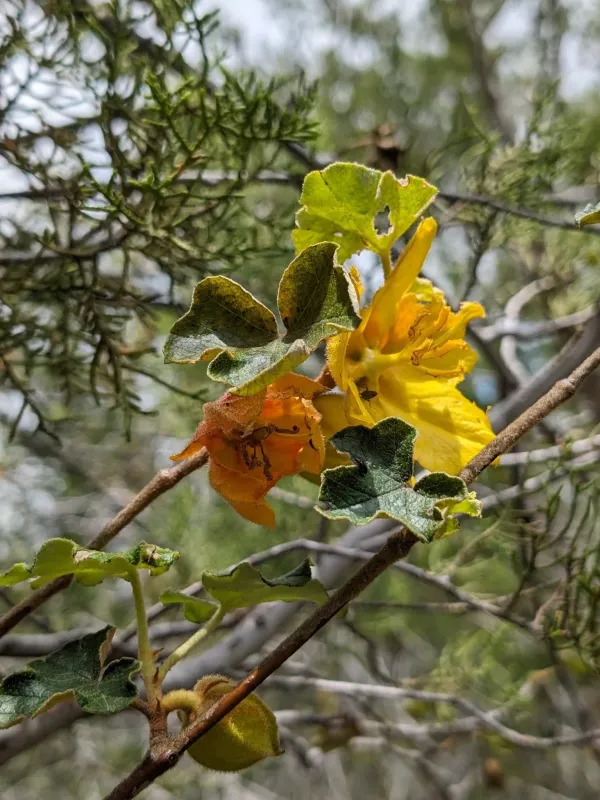
Description
Growing requirements
Fremontodendron mexicanum, commonly known as the Mexican flannel bush, is an evergreen shrub belonging to the Malvaceae family. Native to the coastal regions of southern California and Baja California, it is prized in horticulture for its spectacular, large, golden-yellow flowers that bloom over an extended period.
To thrive, this plant requires full sun exposure and extremely well-draining, gritty, or sandy soils. It is highly intolerant of heavy, wet soils; standing water around the root zone is lethal to the plant as it rapidly invites root pathogens, making site selection the most important part of cultivation.
The climate requirements mimic Mediterranean conditions, characterized by warm, dry summers and mild, relatively dry winters. While it can handle light frost, high humidity and excessive winter rainfall are detrimental to the plant's health and longevity, often leading to sudden collapse.
Agricultural management involves very little irrigation once the plant is established. Supplemental water is only necessary during the first year of planting or during prolonged extreme heat. Fertilization should be kept to a minimum, as excess nutrients promote weak, succulent growth that is susceptible to environmental stress.
Horticulturally, it serves as an excellent focal point in xeriscaping or Mediterranean-style gardens. Due to its vigorous growth habit, it is often trained against warm, sunny walls where it can be protected from strong, damp winds and showcased for its vibrant floral display.
Main diseases and pests
The primary threats to Fremontodendron mexicanum are fungal root diseases, particularly those caused by Phytophthora and Armillaria species. These diseases are almost exclusively linked to poor drainage and overwatering, emphasizing the need for strict water management practices in the garden.
Insect pests include scale insects and mealybugs, which are often found on the underside of leaves or along stems. These pests can weaken the plant and cause soot mold development, which detracts from the plant's aesthetic value and overall vigor.
Spider mites can also become a problem in hot, dry, and stagnant environments, leading to leaf discoloration and drop. Regular inspection and localized treatment with appropriate horticultural oils or soaps are recommended for effective pest suppression.
Gardeners must be aware that the leaves and stems are covered in fine, star-shaped hairs that can cause severe skin and eye irritation. Protective equipment, including thick gloves and long sleeves, is mandatory when performing pruning or any maintenance work near the canopy.
Proper pruning is essential for maintaining plant health and structure. It should only be conducted immediately after flowering has ceased. Removing dead or crossing branches helps increase airflow, which reduces the moisture trapped in the center of the shrub, thereby mitigating the risk of fungal infections.