
Fremontodendron hybrids
Fremontodendron hybrids
Description
Growing requirements
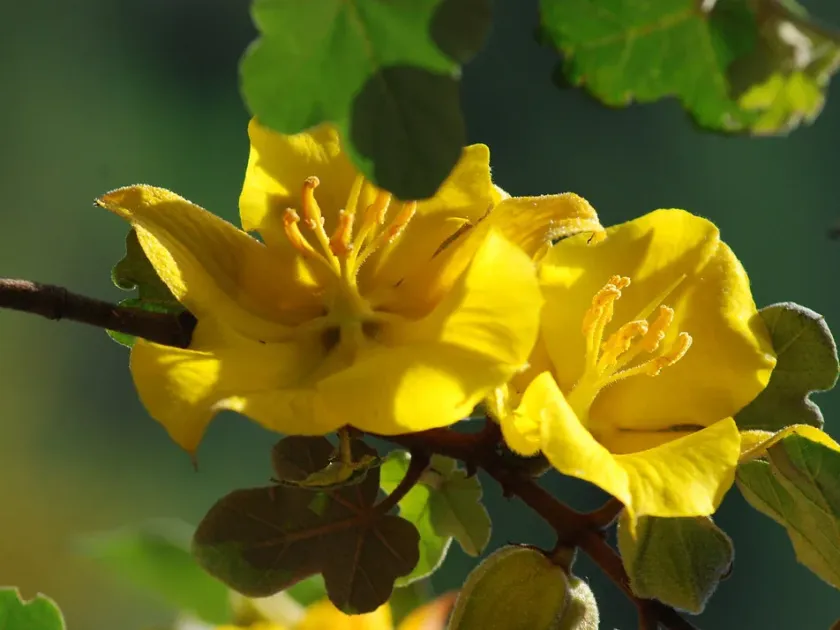
Fremontodendron hybrids are robust evergreen or semi-evergreen shrubs belonging to the Malvaceae family. These plants are popular for their spectacular display of large, saucer-shaped, bright yellow or orange flowers that appear during the spring and summer seasons.
The culture thrives in regions with a Mediterranean-type climate characterized by long, dry, hot summers and mild, wet winters. They are particularly well-suited for xeriscaping due to their remarkable drought tolerance once they are properly established in the landscape.
Soil drainage is the most critical factor for the successful cultivation of these hybrids. They require sandy, rocky, or well-aerated soils and will rapidly perish if planted in heavy clay or locations prone to waterlogging, as their roots are highly susceptible to rot.
Agricultural maintenance is relatively low for established specimens. They do not require frequent irrigation or excessive fertilization. In fact, lean soils are often preferred, as over-fertilization can result in excessive leafy growth at the expense of floral production.
These plants are primarily used for ornamental purposes in gardens and public parks. They are often planted as focal points against warm walls, in rock gardens, or as part of mediterranean-style borders, adding a vibrant splash of color to the environment.
Main diseases and pests
The primary threats to Fremontodendron health are fungal pathogens, specifically Phytophthora and various root rots triggered by poor drainage or overwatering. Maintaining a strict watering regimen and ensuring impeccable soil structure are the only effective preventive measures.
Pests are generally not a major concern, although aphids or mealybugs may appear on younger plants or in greenhouse conditions. Gardeners should also exercise caution during pruning, as the fine hairs covering the foliage can cause skin irritation upon contact.