
Green Freesia
Freesia viridis
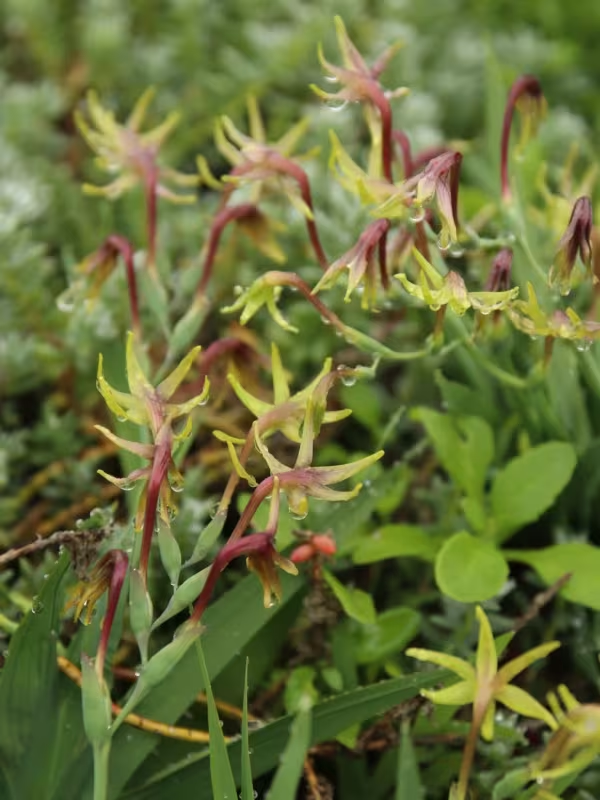
Description
Growing requirements
Green Freesia (Freesia viridis) belongs to the Iridaceae family. Native to South Africa, this perennial cormous plant is highly valued for its unique botanical traits and characteristic greenish floral coloration.
The plant exhibits a typical iris-like structure with narrow, grass-like leaves and a slender stem. The corms serve as storage organs that allow the plant to survive distinct wet and dry seasons in its natural habitat.
Successful cultivation requires well-drained, sandy loam soils rich in organic matter. Proper drainage is critical to prevent waterlogging, which is the primary cause of corm degradation and fungal rot in commercial settings.
Climate requirements involve moderate temperatures, ideally ranging between 15°C and 22°C. Excessive heat during the blooming period can lead to premature senescence and shorter stems, reducing the quality of the harvest.
Light exposure is a significant factor in development. Green Freesia thrives in bright, filtered light. In greenhouse environments, supplementary lighting may be necessary during shorter winter days to ensure consistent flower induction.
Main diseases and pests
Fungal pathogens such as Fusarium oxysporum represent a severe threat to Green Freesia plantations. These fungi can remain dormant in the soil for several seasons, posing a risk to successive planting cycles.
Bacterial soft rot can also occur under conditions of excessive moisture and poor air circulation. This disease rapidly destroys the corm, often leading to total loss of the affected individual plants in the field.
Insect pests, primarily aphids and thrips, are common vectors for viruses. These pests cause direct mechanical damage to foliage and flower buds, significantly lowering the aesthetic and commercial value of the crop.
Integrated Pest Management (IPM) is essential for maintaining a healthy crop. This includes utilizing certified virus-free planting material and applying target-specific insecticides only when monitoring indicates threshold levels.
Sanitation practices, such as removing infected debris and disinfecting tools, are vital for disease prevention. Crop rotation with non-host species is highly recommended to break the life cycles of soil-borne pathogens.