
Freesia leichtlinii
Freesia leichtlinii
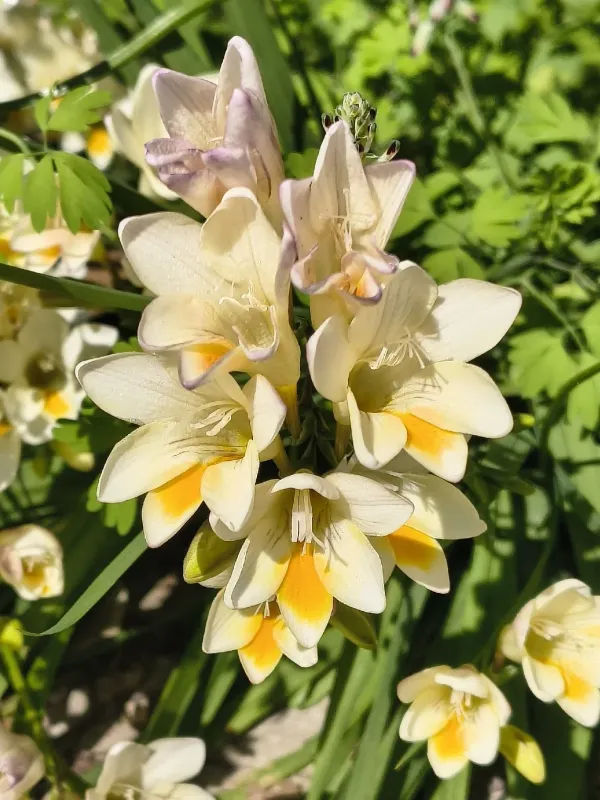
Description
Sowing dates
Planting of Freesia leichtlinii corms is typically performed in early spring once the soil temperature consistently reaches 10–12 degrees Celsius.
In regions with frost risks, planting can be delayed until mid-May to ensure rapid growth and development of the root system.
Pre-sprouting the corms in a controlled, well-lit environment for 2–3 weeks significantly improves the uniformity of flower production.
The planting depth is usually set between 5 and 10 centimeters, depending on the soil drainage and local environmental conditions.
Adequate spacing, around 10–15 centimeters between plants, is essential to prevent overcrowding and ensure sufficient light penetration for each specimen.
Growing requirements
Freesia leichtlinii is a member of the Iridaceae family and thrives in well-drained, fertile soils with a neutral or slightly acidic pH balance.
The plant requires full sun exposure for optimal photosynthesis but benefits from light shade during the hottest parts of the day in warm climates.
Consistent moisture levels are critical throughout the growing season, though the soil should never become waterlogged to prevent bulb decay.
Regular fertilization with balanced NPK fertilizers is recommended to support leaf growth, root development, and subsequent flower stalk production.
Effective air circulation is a key environmental requirement to prevent the development of physiological disorders and suppress fungal outbreaks.
Main diseases and pests
The primary threats include fungal diseases like Fusarium wilt and Botrytis, which can rapidly destroy root systems and ornamental foliage.
Preventative measures involve the use of fungicide-treated corms and maintaining strict hygiene protocols during all agrotechnical operations.
Insect pests, including aphids, thrips, and spider mites, are common challenges that require integrated pest management strategies.
Monitoring for signs of viral infections is also important, as virus-infected plants should be immediately removed and destroyed to stop spreading.
Biological controls or targeted application of insecticides can manage pest populations while preserving the overall health of the crop.
Harvesting
Harvesting for floral arrangements is timed when the lower buds of the flower spike show color but remain partially closed for extended shelf life.
Post-flowering management involves maintaining the plants until the foliage yellows, allowing nutrients to return to the corms for storage.
Corms are harvested, cleaned, and cured at temperatures of approximately 25–28 degrees Celsius for about one week to prepare for dormancy.
Storage requires cool, dry conditions with constant air exchange to maintain the viability of the bulbs during the winter rest period.
Proper harvest and post-harvest drying are critical steps in ensuring the energy reserves are sufficient for vigorous growth in the following season.