
Freesia grandiflora
Freesia grandiflora
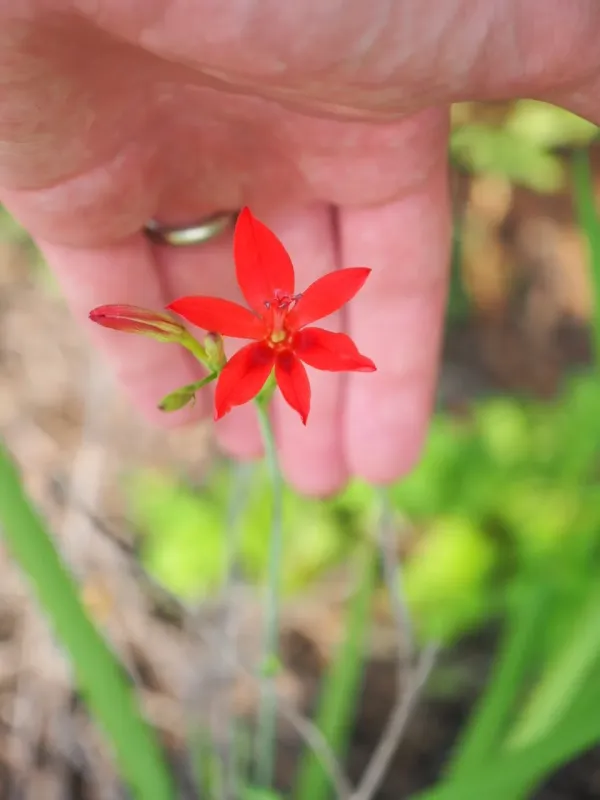
Description
Sowing dates
Freesia grandiflora belongs to the Iridaceae family and is a perennial cormous plant that requires precise timing for successful cultivation in both greenhouses and gardens.
In a controlled greenhouse environment, planting typically begins in late winter or early spring to ensure the plants receive adequate daylight hours for steady development.
When grown outdoors, the corms should be planted only after the threat of frost has passed and soil temperatures have consistently reached at least 10–12 degrees Celsius.
Proper planting depth is essential for establishing a strong root system, generally ranging between 5 to 8 centimeters depending on the texture of the growing medium.
To ensure a continuous supply of flowers, many growers adopt a staggered planting schedule, planting batches of corms every two weeks throughout the season.
Growing requirements
Freesia grandiflora is highly sensitive to light conditions; therefore, supplemental lighting is often necessary in greenhouses to prevent weak, spindly stem growth.
The substrate must be well-draining, loose, and slightly acidic to neutral, preventing waterlogging which is the most common cause of corm rot in this species.
Maintaining a stable temperature range of 18–22 degrees Celsius is crucial, as extreme fluctuations can disrupt the plant's natural flowering cycle and bud initiation.
Consistent, moderate moisture is vital; however, overhead watering should be minimized to reduce the risk of foliage diseases and fungal growth in the crop.
Good ventilation is equally important to maintain humidity levels between 60% and 70%, which keeps the plants healthy and prevents the build-up of moisture-related pathogens.
Yield
Commercial yields for freesia are measured by the number of high-quality flower spikes produced per square meter of greenhouse area during a single crop cycle.
With intensive management and high-quality corms, growers can typically harvest between 80 and 120 stems per square meter in a well-optimized system.
The number of florets per spike is a primary quality indicator, with superior cultivation practices yielding up to 15 blooms per stem on healthy, robust plants.
Soil quality, light intensity, and balanced nutrition are the three main drivers of yield, significantly impacting both the length of the stem and the size of the flowers.
Standardizing the harvest and using proper storage techniques immediately after cutting helps to maintain crop value and extend the shelf life of the flowers.
Main diseases and pests
Fungal pathogens such as Fusarium and Sclerotinia represent the greatest risk, often thriving in environments with poor drainage and excessive moisture levels.
Insect pests like aphids, thrips, and two-spotted spider mites can cause significant damage to the leaves and developing buds, requiring integrated pest management.
Viral infections can lead to foliage mottling and flower deformation, which necessitates the use of high-quality, virus-tested planting material to prevent spread.
Early detection is vital; regularly inspecting the underside of leaves and checking the base of the corms for signs of decay can help mitigate potential losses.
- Fusarium wilt
- Aphids
- Thrips
- Spider mites
Harvesting
The optimal harvest stage is reached when the first one or two florets on the spike begin to open, ensuring the longest vase life for the consumer.
Harvesting is best performed in the early morning when the plants are fully turgid, reducing the stress on the stems and improving their post-harvest longevity.
After cutting, the flower stems should be placed immediately into clean water or a hydration solution to prevent premature wilting and maintain stem strength.
Once the flowering cycle concludes, the corms are harvested, cleaned, and stored in a warm, dry environment at 25–28 degrees Celsius to prepare for dormancy.
Proper preparation of the corms, including correct drying and storage temperatures, is essential for ensuring high-quality, uniform growth in the next planting cycle.