

Description
Sowing dates
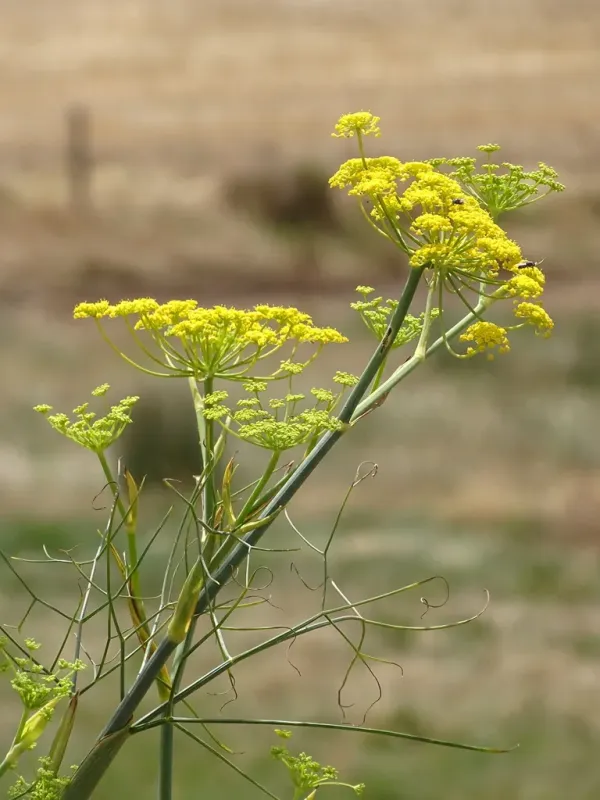
Fennel (Foeniculum vulgare) is a hardy, perennial herb belonging to the Apiaceae family, often cultivated as an annual crop. Sowing typically takes place in early spring once soil temperatures reach at least 6–8°C, ensuring the plants have enough time to establish before the heat of mid-summer.
Seeds should be sown at a depth of 2–3 cm. Given that fennel seeds have a relatively slow germination rate, it is crucial to maintain consistent soil moisture throughout the germination period to ensure a uniform stand and minimize the impact of early-season weed pressure.
For bulbous fennel varieties, direct seeding is common, although some growers use transplants to get a head start. Proper spacing is essential; typically, rows are spaced 45–60 cm apart to facilitate mechanical weeding and ensure adequate air circulation around the plants.
The choice of cultivar is critical based on the end-use, whether for seed production, essential oil extraction, or the production of fresh, fleshy bulbs for the vegetable market. Each type has specific requirements regarding density and sowing intervals.
Fennel thrives in full sun exposure. Choosing a site with at least 6–8 hours of direct sunlight is necessary to encourage healthy vegetative growth and maximize the oil content in the seeds and foliage.
Growing requirements
Fennel prefers well-drained, fertile soils rich in organic matter. Loamy soils with a neutral pH are ideal. Excessive moisture or heavy clay soils should be avoided as they significantly increase the risk of root diseases and poor plant development.
The plant has a moderate demand for water. While mature plants show some drought tolerance due to their deep root system, consistent moisture is required during the initial growth phases and the period of bulb or seed development to maintain yield and quality.
Nutrient management focuses on balanced fertilization. High levels of nitrogen can promote lush green growth at the expense of root bulb development and essential oil concentration. Potassium and phosphorus are key for overall plant health and seed quality.
Weed control is the most demanding aspect of fennel cultivation, especially in the first month. Mechanical cultivation between rows is standard practice to break soil crusts and manage weeds without damaging the fennel roots.
Environmental conditions, particularly temperature, affect the quality of the essential oils. Moderate temperatures during the flowering stage lead to better-developed seeds and a more favorable chemical profile of the aromatic compounds.
Yield
Seed yields for fennel can range from 10 to 15 decitonnes per hectare, depending on the variety, soil quality, and favorable weather conditions during the pollination phase. Windy and rainy weather during flowering can severely reduce seed set.
For fresh vegetable fennel, high-intensity cultivation using irrigation can produce significant yields of bulbous stems, often measured by the number of marketable units per hectare. Regular harvesting intervals are necessary to maintain product freshness.
The essential oil yield is determined by the specific chemistry of the fennel variety and the stage of harvest. Harvesting at the peak of seed maturity, when the heads turn a brownish-grey, is critical to achieving maximum oil extraction efficiency.
To maximize productivity, successful farms use high-quality, certified seeds to ensure uniformity and vigor. Crop rotation is also a standard tool, ensuring that the soil remains productive and free from specific Apiaceae pathogens.
Effective pest and disease management throughout the growing season ensures that the harvested volume is of the highest possible standard for both the culinary and pharmaceutical markets.
Main diseases and pests
Fennel is susceptible to various fungal diseases, most notably powdery mildew and Cercospora leaf spot, which thrive in humid conditions and can drastically reduce the photosynthetic capacity of the plants.
Root rot, often caused by soil-borne pathogens like Rhizoctonia or Fusarium, is a major threat in fields with poor drainage. Implementing a rigorous crop rotation cycle helps to break the life cycle of these persistent soil-borne fungi.
Pests such as aphids can cause significant damage by feeding on young foliage and transmitting plant viruses. These pests require regular monitoring and timely intervention to prevent them from reaching damaging population levels.
Some insects may tunnel into the stems, weakening the plant structure and making them prone to lodging. Maintaining plant health through proper nutrition and space management helps the plants resist minor infestations.
- Rotate fennel with non-Apiaceae crops like cereals or legumes.
- Use drip irrigation to avoid wetting the foliage, which reduces fungal growth.
- Monitor for common pests like aphids and lygus bugs during the budding stage.
Harvesting
Seed harvesting is usually performed when the majority of the umbels reach a state of partial desiccation and turn brownish. Direct combining or two-stage harvesting (cutting and windrowing) is utilized based on field size and equipment availability.
Vegetable fennel is harvested manually to ensure the bulbs are not bruised or damaged. The foliage is trimmed, leaving a small portion of the stems, and the bulbs are cooled immediately to preserve their crisp texture and aroma.
Post-harvest seed processing involves careful cleaning to remove debris, followed by drying to a moisture content of roughly 12% to prevent spoilage and fungal growth during storage.
Proper storage involves keeping the produce in cool, dry, and ventilated conditions. Protecting the seeds from light and heat preserves the aromatic profile and prevents the volatile essential oils from degrading over time.
Market requirements prioritize uniformity, aromatic intensity, and freedom from mechanical impurities. Meeting these standards requires attention to detail at every step from the field to the final packaging facility.
Reference
Connections · Fennel
Most often together:
Marketplace
Products · 2
