
Flueggea virosa
Flueggea virosa
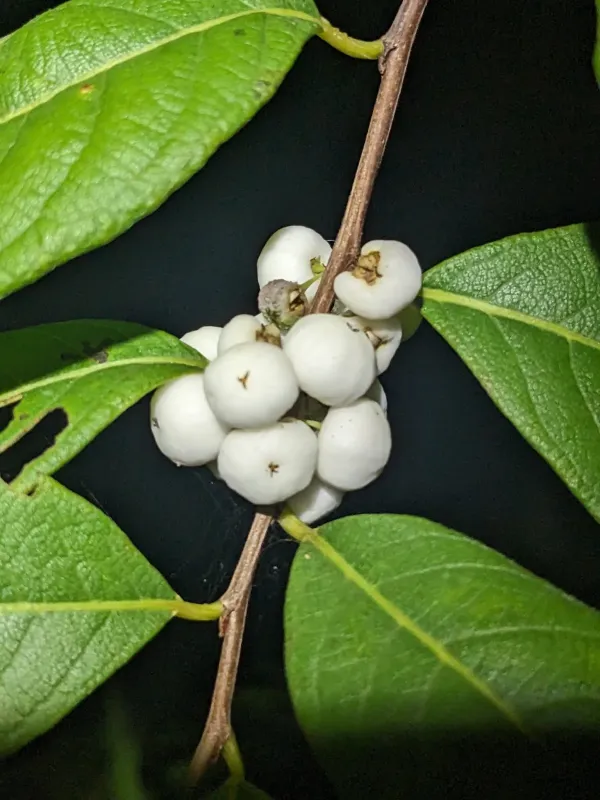
Description
Growing requirements
Flueggea virosa is a perennial woody shrub belonging to the family Phyllanthaceae. It is widely recognized for its robust growth habit and versatility, typically reaching heights between 2 to 4 meters in its native habitat.
Originating from the tropical and subtropical regions of Africa and Asia, this plant thrives in diverse environments ranging from open woodlands to rocky savannahs. It is well-adapted to warm climates and requires substantial exposure to sunlight.
The crop prefers well-drained, fertile soil types. It is particularly valued for its drought tolerance, which allows it to persist in areas with distinct seasonal rainfall, provided the root system is established.
Agricultural management includes precise irrigation during the early growth stages to ensure rapid development. Once established, the plant requires minimal maintenance, though periodic pruning is recommended to maintain shape and promote higher biomass yields.
Propagation is typically achieved through seeds or stem cuttings. It is essential to ensure that the planting medium has a neutral pH, as extreme acidity or alkalinity can negatively affect nutrient uptake and overall plant vigor.
Harvesting
The harvesting of Flueggea virosa primarily focuses on the leaves and sometimes the roots, depending on the intended application, such as traditional medicine or botanical extracts. Harvesting is usually performed manually to prevent damage to the main stems.
It is recommended to harvest foliage during the peak of the growing season when the concentration of secondary metabolites is at its highest. Selective harvesting allows the shrub to continue regenerating throughout the year.
Post-harvest processing involves drying the material in shaded, well-ventilated areas to prevent degradation by UV light. Proper moisture content must be maintained to prevent microbial growth during storage.
In commercial operations, standardized harvesting schedules are implemented to ensure a consistent supply of raw material. Yield optimization is achieved by balancing the harvest frequency with the plant’s recovery time.
Effective storage requires cool, dry conditions with adequate air circulation. High-quality dry matter is essential for maintaining the bioactive properties that make this plant a significant resource in agricultural and botanical studies.