
Flueggea tinctoria
Flueggea tinctoria
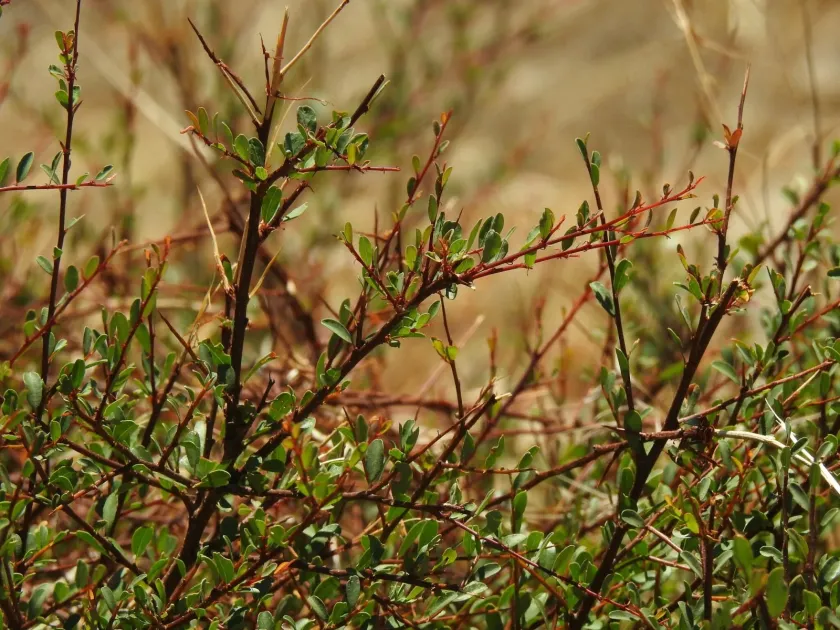
Description
Growing requirements
Flueggea tinctoria is a perennial shrub belonging to the Phyllanthaceae family. This species is native to the Iberian Peninsula, particularly inhabiting riverbanks and stony soils in Mediterranean climates, where it thrives under warm, temperate conditions.
The plant requires well-drained soil to prevent root rot. It is typically found in regions with alluvial deposits, suggesting that sandy or gravelly soils with good aeration are ideal for its successful establishment and growth in agricultural settings.
Climate requirements include a preference for mild temperatures and high levels of solar radiation. While the shrub is adapted to survive seasonal drought, consistent moisture during the initial growing stages is crucial for developing a deep and effective root system.
Maintenance involves ensuring that the plants are protected from extreme frosts, which can damage tender branches. The species is generally hardy, but its productivity is significantly enhanced when placed in sunny, sheltered locations.
Agricultural management should focus on maintaining soil pH levels that do not inhibit nutrient uptake. Regular monitoring of the site helps in adjusting irrigation patterns to match the plant’s seasonal physiological needs.
Harvesting
The primary utility of Flueggea tinctoria lies in its historical role as a source of natural dyes. The plant tissues contain specific chemical compounds that have been utilized to produce pigments for textile applications for generations.
Harvesting strategies focus on the collection of young stems and leaves. Timing is critical; the highest concentration of pigment precursors is typically present during the active growth phase before the stems become overly lignified.
After harvesting, the plant material requires careful post-harvest handling. Shade-drying in a ventilated environment is recommended to prevent the degradation of photosensitive pigments, ensuring high-quality raw material for extraction.
Modern applications explore the use of these pigments in sustainable manufacturing and botanical research. By standardizing harvesting protocols, producers can maximize the yield of active ingredients per hectare.
Sustainable cultivation practices ensure the longevity of the shrubs. Selective pruning during harvest encourages the regeneration of new growth, allowing for long-term production cycles in dedicated agricultural zones.