
Festuca valesiaca
Festuca valesiaca Schleich. ex Gaudin subsp. valesiaca
Description
Sowing dates
Festuca valesiaca, commonly known as Valesian fescue, is a hardy perennial grass species belonging to the Poaceae family. It is widely recognized for its high ecological resilience and its ability to thrive in various steppe and semi-arid environments.
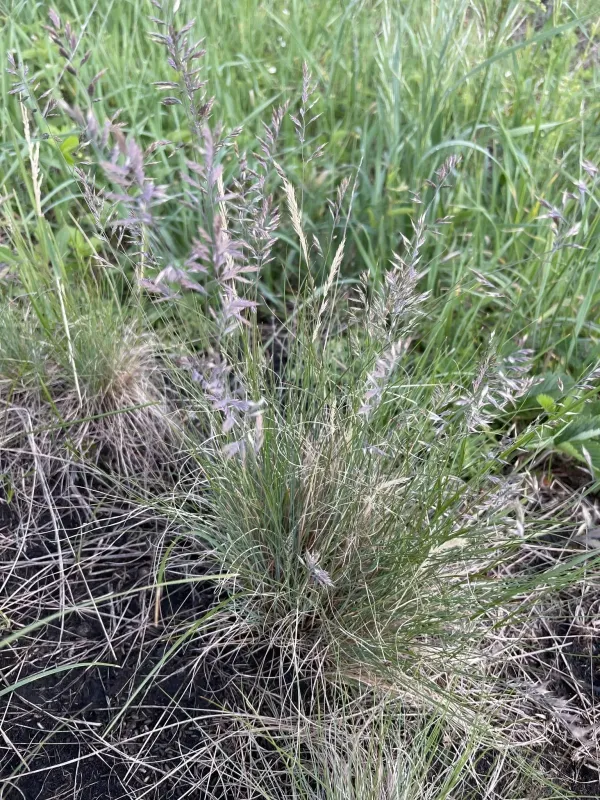
The plant is characterized by its dense tuft growth habit and very narrow, often rolled leaves, which serve as a physiological adaptation to arid conditions. Its deep, fibrous root system is highly efficient at stabilizing soil and accessing moisture from lower soil layers.
When sowing, it is critical to prepare a fine, firm seedbed to ensure good contact between the soil and the small seeds. The ideal time for planting is early spring, while soil moisture levels are optimal for successful germination and initial establishment.
Growth during the first year is notably slow, requiring active weed management to prevent competition from more aggressive invasive species. Once established, the plants form a robust, long-lasting stand that effectively resists encroachment from weeds.
Seeding depth should be kept shallow, generally between 1 and 2 centimeters. Ensuring even distribution during sowing is essential for achieving a uniform stand density across the entire pasture area.
Growing requirements
Valesian fescue is highly valued for its exceptional drought and frost tolerance. It thrives in well-drained soils, including those with stony, gravelly, or slightly saline properties where more sensitive grasses fail to grow.
The species is strictly heliophilous, meaning it requires full exposure to sunlight for optimal development. It is not recommended for shaded locations, as this significantly reduces biomass production and overall plant vitality.
While it is capable of growing in nutrient-poor soils, it shows improved vigor on fertile chernozems. The plant prefers neutral to slightly alkaline soil conditions and can persist for many years under proper management.
In terms of climate, it is perfectly suited for regions with significant annual temperature fluctuations and limited precipitation. Its ability to remain green during dry spells makes it a reliable component in drought-prone grazing systems.
Management should focus on avoiding prolonged waterlogging, which the plant cannot tolerate. Good drainage is the single most important factor in maintaining a healthy population of Valesian fescue over time.
Yield
The primary agricultural use of Valesian fescue is as a forage source for grazing livestock, particularly sheep and horses. It provides high-quality, nutritious forage, especially during the early stages of spring growth.
Yield varies based on soil quality and annual rainfall. Under favorable conditions, it can provide consistent biomass throughout the season, serving as a dependable staple in pasture-based animal husbandry systems.
When harvested for hay, it is best to cut the grass before the heading phase. Harvesting at this stage ensures the best balance between protein content, digestibility, and overall biomass volume before the stems become overly lignified.
The grass is well-suited to intensive grazing regimes. Rotational grazing is recommended to ensure that the plants have adequate recovery time, which helps maintain the vigor of the root system and promotes longevity of the stand.
Beyond its value as a feed crop, the plant acts as a vital tool for land reclamation. Its extensive root system helps sequester carbon and prevent erosion on sloping or degraded agricultural lands.
Main diseases and pests
Festuca valesiaca is naturally resistant to most common fungal pathogens of grasses. Under extremely humid conditions, minor infections of rust or powdery mildew might occur, though these rarely reach levels that require chemical intervention.
Potential pests include insects that target the seed heads during the reproductive stage. Monitoring the fields during the flowering period is advisable if seed production is a primary goal for the agricultural enterprise.
Soil-borne larvae, such as those of the wireworm, can occasionally affect new seedlings. A site assessment before planting is standard practice to determine if pest populations are high enough to warrant pre-sowing treatments.
The robust nature of this species allows it to thrive with minimal use of pesticides. This makes it an excellent choice for organic or low-input farming systems focused on environmental sustainability.
Proper grazing intensity is the best defense against invasive weeds and pests. Overgrazing can weaken the stand, creating gaps in the canopy that opportunistic weeds or harmful soil organisms might colonize.
Harvesting
Seed harvesting requires precision because the seeds are prone to shattering as they mature. The target is the wax-ripeness stage, where the heads show a distinct straw-like coloration, indicating that the grain has filled properly.
Direct combining is possible, but swathing (mowing and allowing the crop to dry in the field) often results in a higher quality seed harvest by allowing for a uniform drying process prior to threshing.
Immediate post-harvest processing is required to reduce moisture content to below 14%. Proper drying prevents heating and maintains seed viability, which should remain high for at least two to three years if stored correctly.
When harvesting for forage, high-speed mowers are used to ensure a clean cut, which promotes rapid regrowth from the crown. Drying the cut material quickly is essential to prevent nutritional loss and spoilage.
Storage in dry, well-ventilated conditions is necessary for all harvested materials. Whether it is hay or seeds, protection from moisture is key to maintaining the high quality and market value of the crop output.