
Volesian fescue
Festuca valesiaca Schleich. ex Gaudin
Description
Growing requirements
Volesian fescue (Festuca valesiaca Schleich. ex Gaudin) is a perennial grass species belonging to the family Poaceae. This hardy bunchgrass is a fundamental element of steppe ecosystems and dry grasslands throughout Eurasia, prized for its ability to survive in harsh, arid environments.
The distribution range of the species is vast, stretching across the Eurasian continent. It is highly adaptable to various soil types, ranging from light sandy soils to heavy, rocky substrates, and is known for its tolerance to soil salinity and low nutrient availability.
Climate adaptability is the defining trait of this grass. It thrives in continental climates with severe temperature fluctuations, showcasing remarkable drought resistance. Its ability to enter dormancy during extreme dry periods allows it to persist where other forage crops would fail.
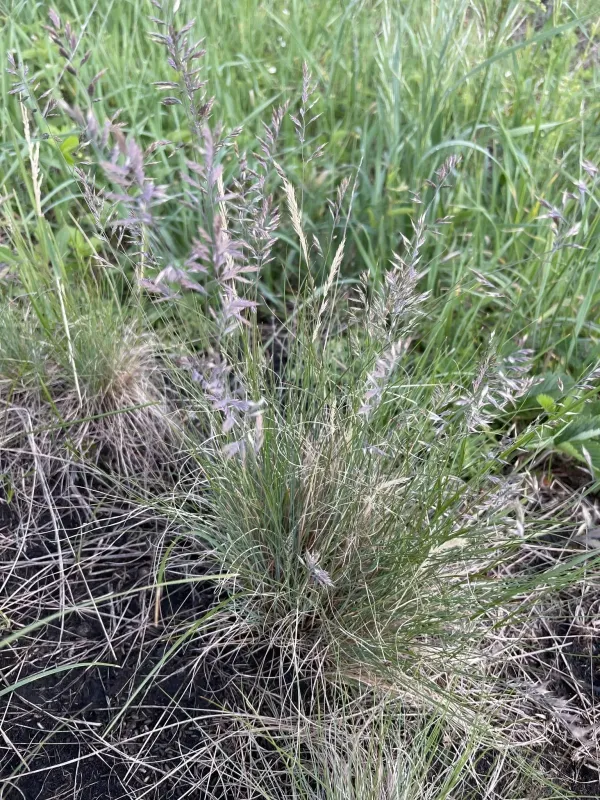
Botanically, Volesian fescue is characterized by its tight, dense tufts of narrow, thread-like leaves. This growth form helps to reduce water loss, while its deep, extensive root system extracts moisture from deep soil layers, providing resilience throughout the growing season.
In agricultural practice, this grass is valued primarily as a sustainable pasture resource. It provides essential forage for livestock, particularly in grazing systems where high-yield grasses cannot be maintained without irrigation, offering a reliable nutrient source for sheep and cattle.
Main diseases and pests
While robust, Volesian fescue can be susceptible to fungal diseases such as leaf rust and powdery mildew. These issues often arise during seasons with higher than average humidity, particularly in areas with poor aeration of the sward.
Pest pressure mainly comes from cereal flies and various beetles that target the reproductive stems and leaves. Significant infestation can reduce the overall productivity and the viability of seeds, impacting the long-term regeneration of the pasture.
Effective management strategies include rotational grazing to ensure the plants maintain their vigor. A healthy, well-managed sward is much more resilient to pest outbreaks and fungal infections compared to overgrazed or neglected vegetation.
Biological controls and cultural practices, such as clearing dead material and managing grazing intensity, are preferred over chemical treatments. These methods help maintain the natural balance of the ecosystem and preserve the safety of forage for livestock.
Ongoing monitoring of plant health is crucial for long-term productivity. By identifying early signs of distress, land managers can adjust grazing schedules to allow the plants to recover, ensuring the continued viability of the grassland resource.