
Sheep fescue
Festuca ovina ssp. vulgaris
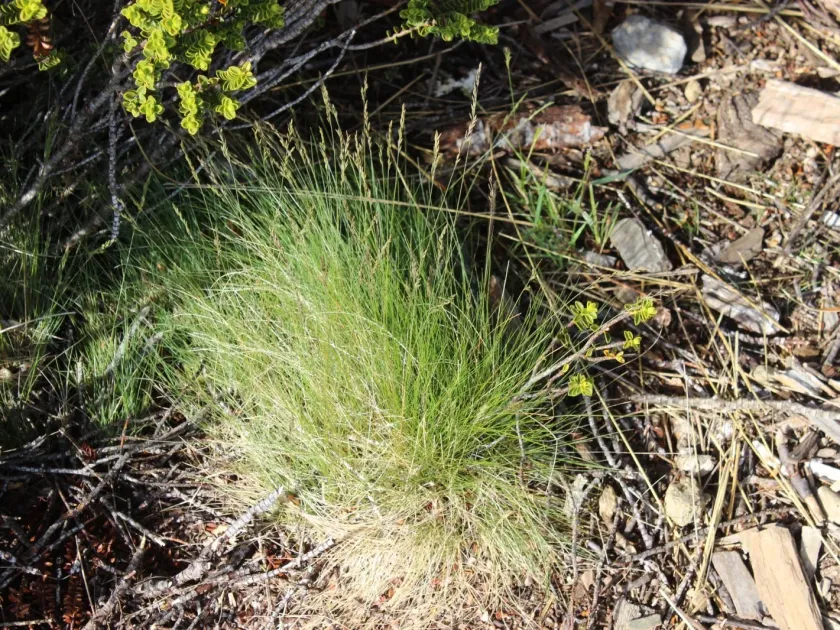
Description
Sowing dates
Sheep fescue is best sown in early spring or late summer, specifically in August, when moisture levels are sufficient for seed germination. Fall planting allows the root system to establish well before the onset of winter dormancy.
For a dense sward, the seeding rate ranges from 15 to 20 kilograms per hectare in monoculture stands. When used in mixtures, the rate is adjusted according to the competition levels of other grass species in the mix.
Seeds should be planted at a shallow depth of 1–2 cm, as they are small and possess limited energy reserves. Post-seeding rolling is essential to ensure proper contact between the soil and the seed, which improves germination rates.
Seedlings emerge uniformly under optimal moisture conditions, although the initial growth rate is slow. The plant invests heavily in below-ground biomass during the first year, resulting in a robust root structure.
The optimal temperature for germination is between 10 and 15 degrees Celsius. This temperature flexibility allows the species to be cultivated across a wide range of climatic zones, from temperate to semi-arid regions.
Growing requirements
Sheep fescue is a perennial grass of the Poaceae family, known for its exceptional environmental adaptability. It thrives in nutrient-poor, dry, and rocky soils where other more demanding grasses would fail to survive.
The plant exhibits high tolerance for low soil fertility and acidic conditions. Its ability to grow in poor soils makes it a cost-effective choice for reclaiming degraded lands and stabilizing erosion-prone sites.
It is renowned for its outstanding drought and cold tolerance. This hardiness allows the species to persist in regions with harsh weather fluctuations, making it ideal for both pasture usage and low-maintenance landscaping.
Naturally found across Eurasia, sheep fescue prefers open, dry meadows, forest edges, and sandy slopes. Its deep, fibrous root system provides excellent soil binding properties, which helps prevent surface erosion.
The species is light-demanding but can tolerate partial shade. It requires well-drained soil, as it does not tolerate waterlogged conditions, which can lead to root rot and reduced plant density.
Yield
The agricultural value of sheep fescue lies in its longevity and persistence rather than high biomass production. It provides high-quality, nutritious forage that remains palatable for sheep and other small livestock.
The grass regrows vigorously after grazing, forming a thick mat that stands up well to heavy trampling. This recovery capacity ensures that pastures remain productive even under intensive use throughout the growing season.
Seed yield typically ranges from 300 to 500 kilograms per hectare. Due to the tendency of seeds to shed upon maturity, careful monitoring of the harvest timing is necessary to maximize yields.
Sheep fescue is a long-lived species that can maintain productivity in the same field for over a decade. This durability reduces long-term maintenance costs and the frequency of re-seeding operations.
Incorporating sheep fescue into diverse grass mixtures improves the overall resilience of the pasture ecosystem, ensuring a stable forage supply even during years with unpredictable weather patterns.
Main diseases and pests
Sheep fescue is naturally resistant to many common plant diseases and pests. This resilience minimizes the need for chemical interventions, making it an excellent candidate for sustainable and organic farming systems.
Rust diseases can occur under conditions of high humidity and poor air circulation. Effective prevention involves selecting well-drained sites and managing plant density to allow for proper airflow through the canopy.
Powdery mildew may develop in overly dense stands during warm and humid weather. Regular mowing or controlled grazing helps mitigate the risk of fungal spread by creating a healthier, less humid microclimate within the sward.
Insect pests, such as grass flies, rarely cause significant economic damage, as the plant's tough, narrow leaves are not a preferred food source for most pests. The dense turf structure also offers protection against soil-dwelling larvae.
Weed management during the first year of establishment is crucial. Once the sward is established, its thick root system and growth habit allow it to effectively outcompete most invasive weed species.
Harvesting
Harvesting sheep fescue seeds requires precision, as the seeds are prone to shattering as they reach full maturity. The harvest should commence when the seed heads turn a characteristic golden color.
A two-stage harvesting process, involving cutting into swaths before threshing, is generally recommended. This method allows the seeds to finish ripening naturally while minimizing loss during the actual harvesting operation.
When utilized for pasture, the "harvesting" is performed by livestock. The grass's resistance to grazing and trampling ensures that the pasture remains productive throughout the entire grazing season.
In landscaping or protective cover applications, mowing should be limited to 1–2 times per season. Keeping the mowing height moderate ensures the plant has enough energy to overwinter successfully.
After threshing, seeds must be cleaned of debris and dried to a moisture content of 12–14 percent. Proper storage in cool, dry, and ventilated conditions is essential to maintain high germination capacity for future planting.