
Leman's fescue
Festuca lemanii T. Bastard
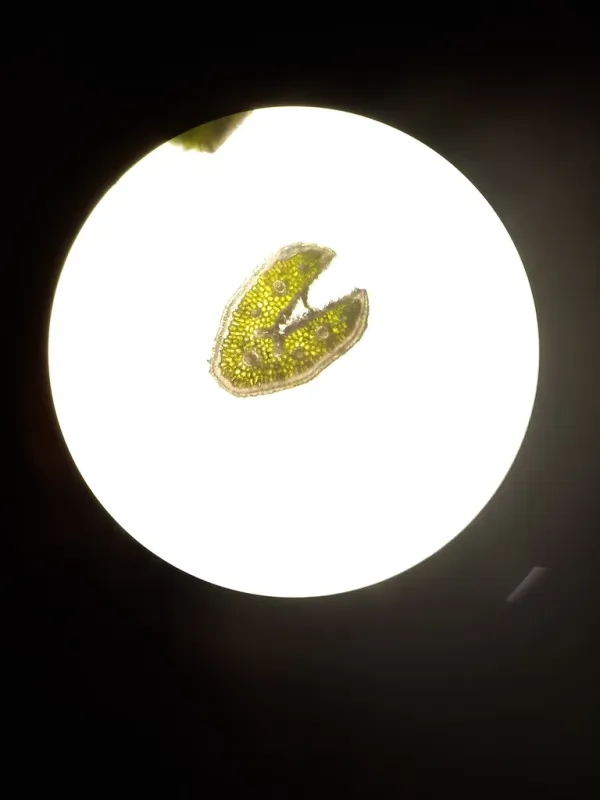
Description
Growing requirements
Leman's fescue (Festuca lemanii) is a perennial grass belonging to the Poaceae family. Native to Western Europe, this species is well-known for its adaptation to sandy and rocky soil conditions, often thriving in coastal dune environments.
The plant exhibits high ecological plasticity, making it suitable for various environmental conditions. It is particularly valued for its drought tolerance, which allows it to maintain vegetation during dry spells when other species might wilt.
Soil requirements for Leman's fescue focus primarily on drainage. The species prefers well-aerated, sandy-loam soils and performs poorly in heavy, waterlogged clays where roots are susceptible to decay.
Light exposure is a critical factor for the healthy development of this grass. It is a heliophilous species, meaning it requires full sunlight to optimize its tillering capacity and maintain a dense, healthy stand.
The plant is resilient to temperature fluctuations, showing good cold tolerance in temperate climates. It begins its vegetative growth early in the spring, which provides an advantage over slower-starting forage grasses.
Yield
Leman's fescue is primarily utilized for soil stabilization and erosion control. Its robust root system creates a dense turf layer that is ideal for securing slopes and reclaimed land against wind and water erosion.
In agricultural settings, it serves as a component in pasture seed mixtures. While not the most productive forage grass in terms of sheer biomass, it offers reliable early-season grazing value.
To maximize yields, proper nutrient management is necessary. Balanced fertilization, particularly with moderate nitrogen inputs, encourages leaf production without excessive stem growth, keeping the forage quality high.
Management of the grazing intensity is essential to maintain the long-term productivity of the stand. Rotating grazing areas allows the grass to replenish energy reserves in the roots, ensuring sustainability.
Seed production is an important commercial aspect of the crop. Harvesting should be carefully timed to coincide with the waxy maturity stage to avoid significant yield losses due to seed shattering.
Main diseases and pests
The crop is generally resistant to many common grass diseases, but it may occasionally be affected by rust fungi during prolonged periods of high humidity and moderate temperatures.
Insect pests, such as cereal flies and aphids, can cause damage to the tillers. Effective control usually relies on maintaining a healthy, vigorous stand through proper nutrition and avoiding plant stress.
Root rot caused by Fusarium species remains a major threat in poorly drained soils. Improving soil structure and ensuring proper drainage is the most effective preventative measure against this pathology.
Competition from aggressive weeds during the establishment phase can significantly impair the development of Leman's fescue. Initial mechanical weeding or selective herbicide application may be required.
Integrated pest management (IPM) practices, including regular field inspections, help to detect disease outbreaks early, allowing for targeted treatments and preventing the need for broad-spectrum chemical use.