
Vulpia fasciculata
Festuca fasciculata Forssk.
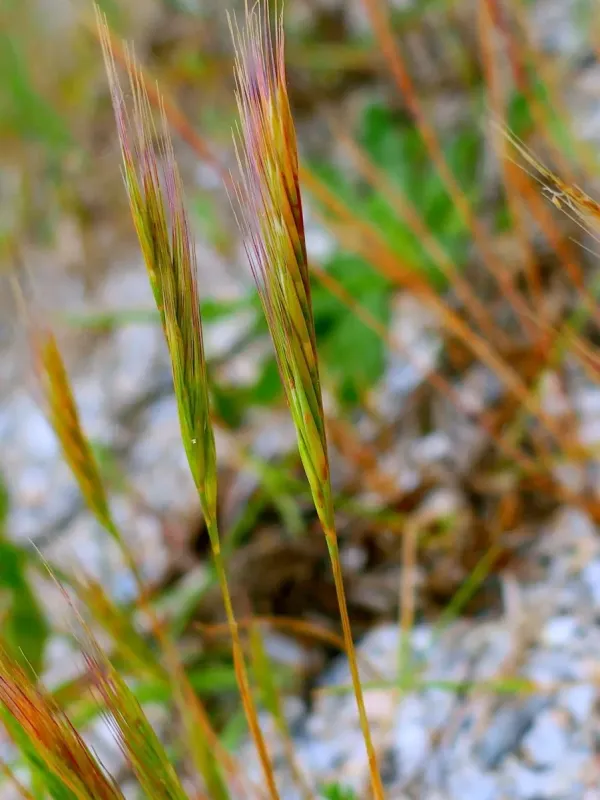
Description
Growing requirements
Vulpia fasciculata, also known as the dune fescue, is a member of the Poaceae family. This annual grass is naturally adapted to coastal environments, specifically sand dunes and sandy substrates.
The plant is highly valued for its ability to thrive in nutrient-poor and saline soils where other vegetation struggles to establish. Its root structure plays a vital role in preventing wind erosion on coastal lands.
It requires open, well-lit habitats with excellent drainage. While it is naturally drought-tolerant, its growth is most vigorous in regions that receive enough early-season moisture to support its rapid annual development.
Botanically, it features delicate, narrow leaf blades and a distinct spike-like panicle. As an annual, it completes its life cycle quickly, ensuring seed production before the onset of extreme summer conditions.
Economically, Vulpia fasciculata is utilized primarily for land reclamation and phytoremediation projects. It acts as an effective pioneer species that stabilizes unstable ground and improves soil structure over time.
Main diseases and pests
Fungal pathogens such as rusts and mildews pose the most significant risk, especially in years with high atmospheric humidity or poor air circulation.
Common insect pests include cereal aphids and various grain-feeding beetles that may cause damage during the active growing phase of the grass.
Invasive weed species can outcompete Vulpia fasciculata during the establishment phase, leading to stunted growth or complete loss of the stand.
Environmental threats also include intensive grazing and mechanical disturbance, which can destroy the fragile dune ecosystems where the grass is established.
Improper seed placement and density often lead to uneven stands, making the plants more susceptible to environmental stress and secondary pathogen colonization.