

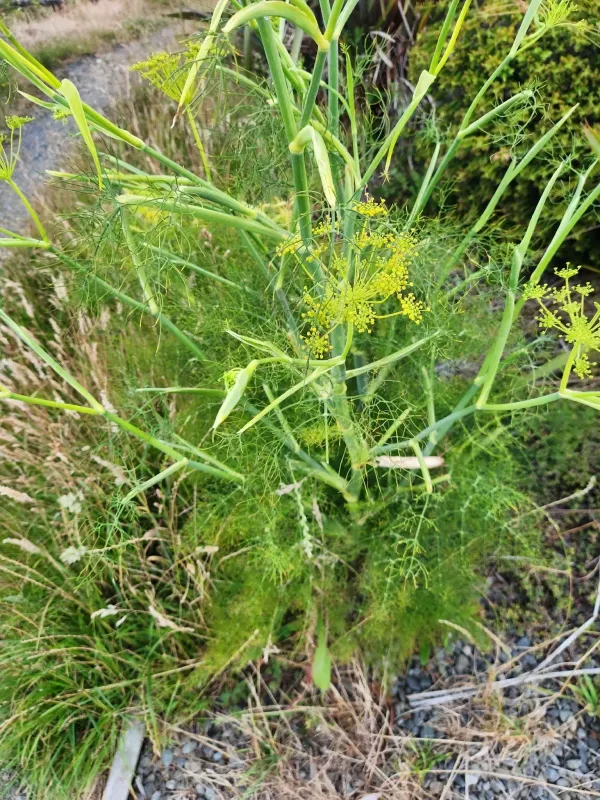
Description
Sowing dates
Fennel (Foeniculum vulgare Mill.), a member of the Apiaceae family, is a perennial herb often cultivated as an annual or biennial crop depending on the variety and local climate.
Sowing typically takes place in early spring once the soil temperature consistently reaches 6–8 °C. Proper seedbed preparation is vital for ensuring uniform seedling emergence.
Seeds should be sown at a depth of 2 to 3 cm. Row spacing varies based on the target product; 45–60 cm is standard for commercial production to allow for mechanical weeding.
Given the slow initial development of the crop, weed management during the first few weeks after emergence is crucial to prevent early competition and ensure plant vigor.
Sowing rates usually range from 1.5 to 2 kg per hectare, depending on the desired plant density and the expected purpose of the crop (seeds, foliage, or bulb production).
Growing requirements
Fennel is a sun-loving, heat-tolerant plant that thrives in well-lit areas. Ample sunshine is essential for the synthesis of volatile oils, which define the quality of the crop.
The crop prefers fertile, well-drained loamy or sandy loam soils. It is highly sensitive to waterlogging, so fields with good aeration and natural drainage are preferred.
An optimal soil pH for fennel ranges from 6.0 to 7.5. Extremely acidic or alkaline soils should be amended before planting to provide the necessary nutrients.
Regular irrigation is vital during the vegetative growth phase. Water stress, especially during the formation of the rosette or bulb, can lead to premature bolting.
The plant requires deep soil preparation as it develops a strong taproot system, which helps it access nutrients and moisture in deeper soil layers once established.
Yield
Yield metrics for fennel vary significantly based on whether the crop is grown for seed oil, fresh leaves, or edible bulb production for the culinary market.
Commercial seed yields generally range from 0.8 to 1.5 tons per hectare under optimal conditions, provided that pest management and nutrient supplies are adequate.
Bulb-type fennel varieties require specific density management to produce high-quality, uniform bulbs that meet market standards for weight and texture.
Fertilizer management significantly impacts yield. Nitrogen is key for vegetative growth, while phosphorus and potassium promote seed development and oil content.
Achieving consistently high yields requires careful monitoring of plant health, as early detection of nutrient deficiencies can help prevent yield losses before harvest.
Main diseases and pests
Fennel is susceptible to various fungal pathogens including powdery mildew, Cercospora blight, and white mold, especially in humid and poorly ventilated fields.
Common pests include aphids, lygus bugs, and wireworms. These pests can cause significant damage to the foliage and roots, hindering the plant's overall development.
A rigorous crop rotation schedule is the best defense against soil-borne pathogens. Fennel should not follow other Apiaceae crops like carrots or parsley for at least three years.
Integrated Pest Management (IPM) strategies, including the use of biological controls, are increasingly adopted to manage pest populations while maintaining product safety.
Regular field scouting allows growers to identify early signs of infestation and implement targeted interventions, reducing the need for broad-spectrum pesticides.
Harvesting
Harvesting for foliage occurs when plants reach the desired size, usually through selective cutting. Frequent light harvests can stimulate fresh secondary growth.
Seed harvest requires careful timing to minimize shattering losses. Harvesting is generally initiated when the majority of umbels turn a brown or grayish-yellow color.
Bulb harvest is performed by cutting the base of the plant just below the soil surface, ensuring that the outer leaves and bulb remain intact and undamaged.
Post-harvest handling is critical for maintaining quality. Fennel should be cooled immediately after harvest to reduce respiration rates and extend shelf life.
Seeds must be dried to a moisture content of approximately 12% before long-term storage to prevent mold and preserve the aromatic essential oils within the grains.
Content graph
Connections · Fennel
Most often together:
Marketplace
Products · 18
