
Fagonia mollis
Fagonia mollis
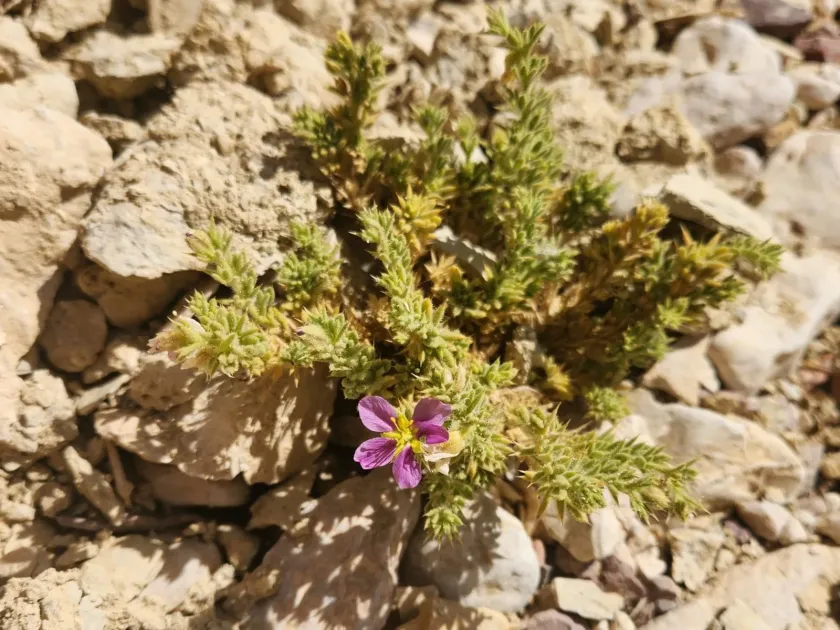
Description
Growing requirements
Fagonia mollis is a perennial subshrub belonging to the Zygophyllaceae family. It is naturally adapted to the harsh environments of arid regions, particularly in parts of Northern Africa and the Middle East, where it thrives in sandy or rocky terrain.
This plant is highly xerophytic, meaning it has evolved specifically to survive under conditions of extreme water scarcity. It requires high solar radiation and thrives in environments where most traditional agricultural crops would fail due to heat stress.
Botanically, Fagonia mollis is characterized by its distinctively branched stems covered with soft glandular hairs, which help to mitigate water loss. The leaves are typically small and simple, often modified to reduce transpiration in the intense desert sun.
Successful cultivation requires specific soil conditions, primarily excellent drainage. Any accumulation of water around the root zone is detrimental to the plant, often leading to rapid decay. It is essential to replicate the natural, low-nutrient, and porous soil structure.
In terms of хозяйственное usage, the plant is primarily harvested for its medicinal properties. Various phytochemical studies indicate the presence of flavonoids and other bioactive compounds that have been used historically in local medicinal practices.
Main diseases and pests
The primary threats to Fagonia mollis include root rot diseases that occur when soil moisture levels exceed the plant's tolerance threshold, which is common in over-irrigated environments.
Pests such as specialized desert locusts and various lepidopteran larvae can pose significant challenges, as they consume the foliage, directly impacting the plant's ability to undergo photosynthesis.
Invasive weed species can outcompete young seedlings for limited resources if the planting site is not properly managed or if the soil is enriched with excessive fertilizers.
Environmental degradation and habitat loss due to land conversion represent the most significant long-term threats to the wild populations of this species.
Environmental stress, such as extreme, unseasonal fluctuations in temperature, can weaken the plant's immune system, making it more susceptible to opportunistic secondary infections.