
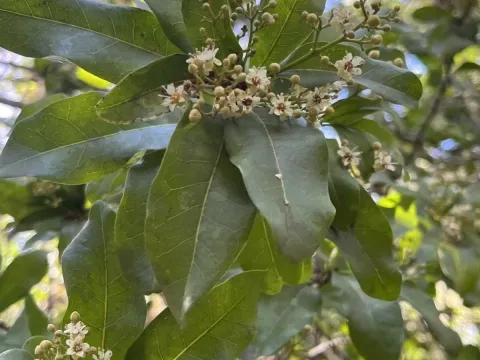
Exothea
Exothea
Exothea is a genus of evergreen trees belonging to the Sapindaceae family. The most prominent species, Exothea paniculata, is native to the tropical forests of the Caribbean and Central America, where it thrives in diverse ecological niches.
What the section contains

Exothea
The crop prefers well-drained, limestone-based soils which provide the necessary calcium and minerals for its structural growth. It exhibits a remarkable tolerance for high pH levels, making it a suitable candidate for planting in alkaline or rocky substrates where other crops struggle.
Climate requirements for Exothea involve a tropical or subtropical environment with consistent temperatures. While the plant can withstand short periods of dryness once established, regular precipitation is ideal to maintain high foliage density and healthy fruit development.
Botanically, these trees are distinguished by their hard, durable wood and compound leaves. They produce small, inconspicuous flowers that are highly attractive to pollinators, which is a critical factor for the natural regeneration of the species in the wild.
In terms of economic value, Exothea is primarily recognized for its high-quality timber and local medicinal or food use of its fruits. Its ability to serve as a windbreak and its high aesthetic value also make it a popular choice for urban forestry and reforestation.
The primary threats to Exothea plantations include fungal root rot triggered by waterlogged conditions. Ensuring a sloped planting site or an artificial drainage system is essential to prevent root asphyxiation during heavy rainy seasons.
Pests such as scale insects and mealybugs represent the main biological threat. By clustering on stems and leaf undersides, these pests weaken the plant, extract plant sap, and facilitate the growth of secondary fungal infections like sooty mold.
Leaf spot diseases can become prevalent in high-humidity areas, leading to premature defoliation. Pruning is considered a necessary management practice, as it opens the canopy to sunlight and improves airflow, effectively reducing the humidity inside the foliage.
Managing soil fertility is also a form of threat prevention. On soils with extreme alkalinity, micro-nutrient deficiencies, specifically iron chlorosis, can occur, which makes the plant more susceptible to opportunistic diseases if not treated with chelated minerals.
Integrated Pest Management (IPM) protocols, including the introduction of natural predators like ladybugs, are highly recommended. This approach minimizes the use of heavy chemicals, preserving the local pollinator population that is vital for the tree's survival.