
Exacum zeylanicum
Exacum zeylanicum Roxb.
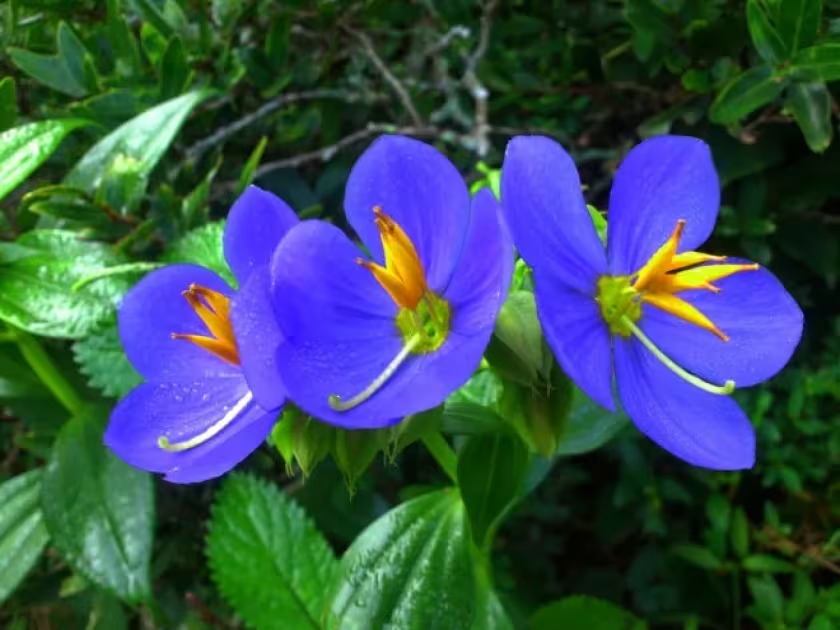
Description
Sowing dates
Exacum zeylanicum, a member of the Gentianaceae family, is a visually striking flowering plant primarily propagated by seeds. Given its tropical nature, controlled environments are essential for successful germination.
Seeds should be sown in late winter or early spring to take advantage of increasing daylight. The seeds are minuscule and must be sown on the surface of the growing medium without covering them with soil.
To ensure germination, maintain a temperature of approximately 20–22°C. Using a transparent cover creates a high-humidity microclimate, which is critical during the initial development stages of the seedlings.
Once seedlings have developed two sets of true leaves, they should be carefully pricked out into individual pots. Using a well-draining, peat-based mix at this stage prevents damping-off, a common issue in early development.
With consistent care, the plants grow rapidly. Providing a balanced, dilute liquid fertilizer after the first repotting will encourage robust vegetative growth before the flowering phase begins.
Growing requirements
Native to the damp forests of Sri Lanka, Exacum zeylanicum thrives in stable, warm conditions. It requires temperatures between 18°C and 24°C, avoiding any exposure to sudden cold drafts or extreme heat.
The plant requires bright, indirect light to maintain its compact habit and prolific flowering. Direct sun exposure can scorch the delicate foliage, particularly in hotter climates.
A loose, acidic, and well-aerated soil medium is preferred. A mixture of leaf mold, peat, and coarse perlite or sand works best to provide necessary drainage while maintaining moisture.
Watering must be meticulous; the goal is to keep the soil consistently moist but never waterlogged. Allow the top inch of the soil to dry slightly between waterings to prevent root suffocation.
High relative humidity is vital for this species. To achieve this, use pebble trays filled with water or mechanical humidifiers, especially during periods of active indoor heating when ambient air becomes dry.
Main diseases and pests
Aphids and spider mites represent the primary pest threats to the plant. These pests thrive in dry conditions and can quickly colonize the undersides of leaves and flower buds.
Root rot is the most common physiological disorder caused by overwatering or poor drainage. Once the roots are compromised, the plant shows signs of sudden wilting and discoloration.
Botrytis (gray mold) can manifest on the petals and foliage if humidity levels are high but air circulation is poor. Proper spacing and ventilation are the best preventive measures.
Integrated Pest Management (IPM) practices should be employed, starting with the physical removal of pests and progressing to biological or chemical controls only when necessary.
Regular inspection of the plant canopy is essential. Catching early signs of infestation or fungal growth significantly improves the prognosis for the health and appearance of the crop.