
Exacum trinervium
Exacum trinervium (L.) Druce
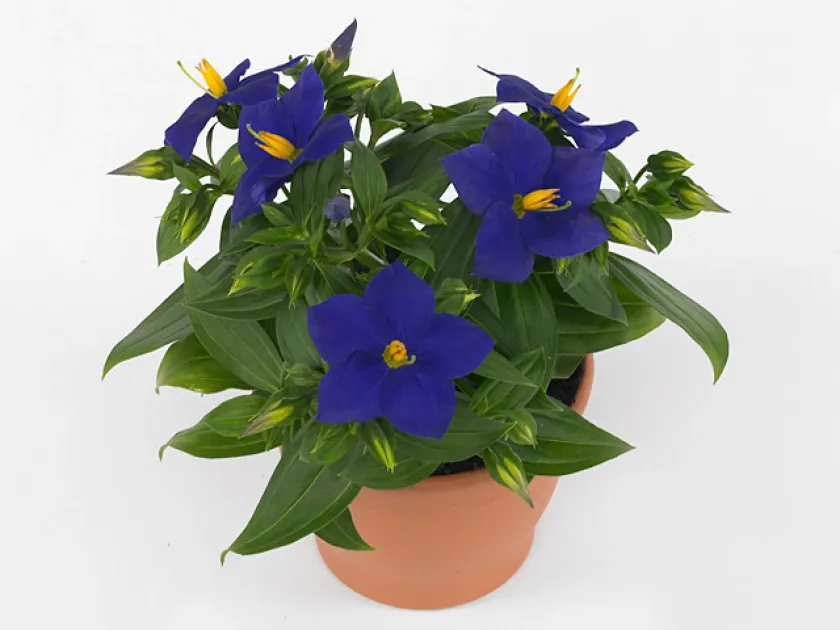
Description
Sowing dates
Propagation of Exacum trinervium is primarily achieved through seeds, which are typically sown in late winter or early spring using a light, well-draining substrate mix.
Since the seeds are extremely small, they should be spread thinly over the moist soil surface without covering them, as they require light to germinate effectively.
A greenhouse environment is essential; keeping the container covered with plastic or glass maintains the high humidity needed for germination within a 2 to 3-week period.
Once seedlings develop their first true leaves, they are carefully transplanted into individual pots, ensuring they receive bright, indirect light to encourage a bushy growth habit.
Alternatively, stem cuttings can be taken during the summer months, providing them with a humid environment and protection from harsh light until root development is established.
Growing requirements
Exacum trinervium is a member of the Gentianaceae family, native to the tropical montane regions of Sri Lanka, making it a plant that demands specific climate conditions.
This species thrives in bright but diffused light conditions; direct sunlight, especially in the afternoon, can scorch the delicate foliage and inhibit proper floral development.
An ideal temperature range of 18–24°C is necessary for healthy vegetative growth, while extreme temperature fluctuations or cold drafts should be strictly avoided to prevent stress.
The soil should be nutrient-rich, slightly acidic to neutral, and possess excellent drainage qualities to prevent waterlogging, typically achieved with a peat-based potting mix.
Consistent soil moisture is vital for this plant; however, the root zone must never remain waterlogged, as poor drainage is the quickest way to induce plant decline.
Main diseases and pests
The most common pests affecting this crop include aphids, spider mites, and whiteflies, which frequently attack the tender new shoots and underside of leaves.
High humidity combined with poor air circulation often creates the perfect environment for gray mold and powdery mildew to develop on the plant's leaves and stems.
Root rot, caused by overwatering or soil compaction, is a critical threat that leads to rapid wilting and the total failure of the plant's vascular system.
Effective pest management relies on systemic insecticides, while disease prevention is largely achieved through strict control of watering frequency and improved air ventilation.
Gardeners should perform routine inspections of the foliage to detect early signs of pest infestations, allowing for immediate intervention before the entire plant is compromised.