
Eulychnia castanea
Eulychnia castanea
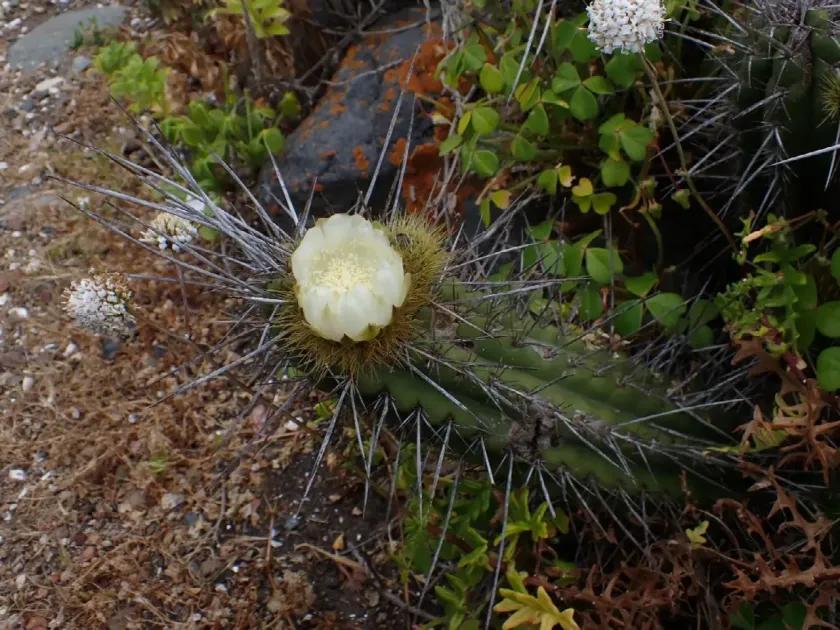
Description
Growing requirements
Eulychnia castanea is a tree-like or shrubby cactus belonging to the Cactaceae family. In its natural habitat, the plant develops unique, branching, or columnar forms, making it a prized specimen for professional cactus collections and botanical gardens.
The species is native to Chile, growing primarily on rocky coastal slopes and within arid desert regions. Its cultivation range is strictly tied to specific climatic conditions, favoring high levels of solar radiation and the mild temperatures characteristic of subtropical zones.
Botanically, this species is noted for its slow growth rate and sturdy, ribbed stems adorned with well-developed areoles. The surface of the stem is heavily protected by dense spines, an evolutionary adaptation to mitigate intense ultraviolet exposure and deter herbivores in harsh environments.
Successful cultivation requires highly porous, mineral-based, well-draining substrates. The plant is extremely sensitive to moisture retention, particularly during its dormancy phase, necessitating an agronomic approach that strictly prevents waterlogging in the root zone.
The primary horticultural use of Eulychnia castanea is ornamental. Due to its striking morphology and resilience, it is highly valued by landscape designers working in xeriscaping projects and by cactus enthusiasts seeking rare and distinctive cultivars.
Main diseases and pests
The main phytosanitary risks are associated with poor irrigation management and inadequate air circulation. Excess moisture in the growing medium leads to rapid root rot, typically caused by pathogenic fungi such as Fusarium and Phytophthora species.
Among the most common pests are mealybugs, which tend to infest the areoles and concealed crevices of the stem, feeding on plant sap. Cactus scale can also colonize the epidermis, significantly impacting the plant's health and aesthetic value.
Management involves the use of systemic insecticides, though preventative cultural practices, such as humidity monitoring and strict quarantine of new plants, remain the most effective strategies. If rot appears, surgical excision followed by antiseptic treatment is necessary.
Insufficient light levels lead to stem etiolation, rendering the cactus more susceptible to secondary infections. Regular pruning of necrotic tissue and maintenance of an optimal light cycle are essential pillars of Eulychnia plant health and disease prevention.
To prevent the spread of bacterial and viral infections, all tools used for pruning or repotting must be sterilized. Additionally, care should be taken to avoid mechanical damage to the cactus epidermis, as wounds provide easy entry points for pathogens.