
Eulychnia acida
Eulychnia acida
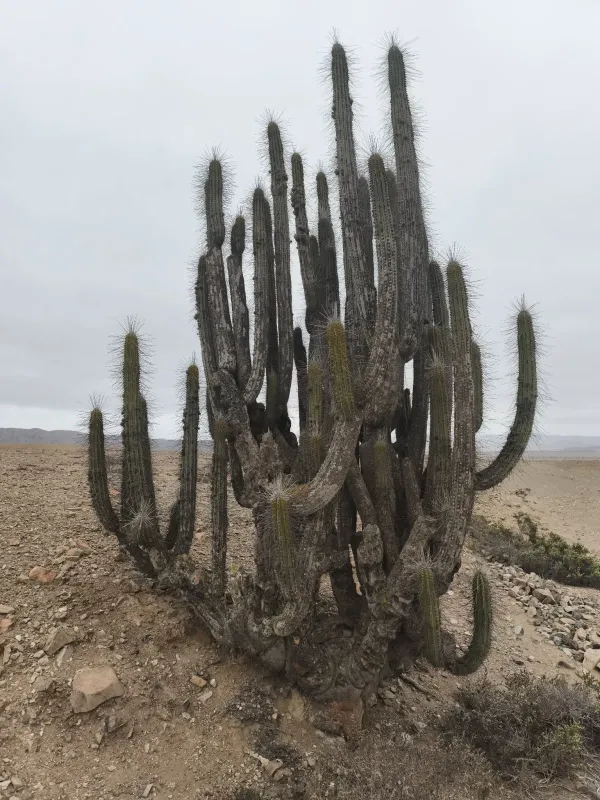
Description
Growing requirements
Eulychnia acida is a tree-like cactus belonging to the Cactaceae family. In its natural habitat, the plant develops large colonies with multiple branched stems that can reach heights of up to 6 meters.
The native range of this species is the arid coastal region of Chile, where the plant has adapted to extremely dry conditions and nutrient-poor soils. The culture thrives in areas with very little rainfall, often relying on coastal fog for hydration.
Successful cultivation requires well-drained sandy or rocky substrates with a neutral or slightly alkaline pH. Water accumulation is detrimental to the root system, making proper soil aeration essential for plant health.
Optimal growth conditions include intense solar radiation and protection from freezing temperatures. Although the species is resilient, extreme thermal fluctuations can suppress vegetative development and reduce reproductive success.
In large-scale farming, management involves drip irrigation during peak growing periods and the application of fertilizers with low nitrogen content. The plant shows remarkable tolerance to soil salinity, making it a viable crop for land otherwise unsuitable for agriculture.
Yield
The fruits of Eulychnia, known as "copao," are scaly berries with a refreshing acidic-sweet flavor. A mature, well-maintained plant can yield tens of kilograms of fruit per season, contributing to local food markets.
The primary economic use involves the production of juices, jams, and refreshing beverages. Due to a significant concentration of organic acids and vitamin C, the fruit is increasingly valued in both the culinary and cosmetic sectors.
Main diseases and pests
Major threats to this crop include fungal infections, which develop under high humidity and poor ventilation conditions. Root rot represents the most dangerous pathology, often leading to the rapid decline and death of the cactus.
Pest issues are mainly associated with mealybugs and spider mites that target young stems. Regular inspection and the application of systemic insecticides are the standard practices for maintaining healthy crops and preventing major infestations.