
Eulychnia breviflora
Eulychnia breviflora
Description
Growing requirements
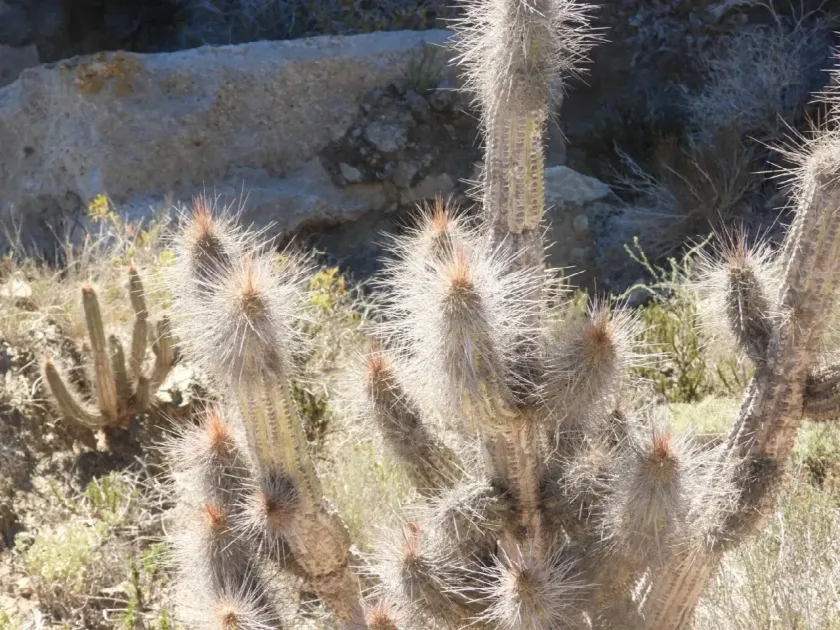
Eulychnia breviflora is a columnar, tree-like cactus belonging to the Cactaceae family. This species is known for its slow-growing, impressive habit, often reaching several meters in height in its native environment, exhibiting a sturdy and woody stem structure over time.
The plant is endemic to the arid coastal regions of northern Chile. It has uniquely adapted to the harsh conditions of the Atacama desert, relying heavily on coastal fog and dew for hydration, which supplements the lack of regular rainfall in its natural habitat.
Cultivation requires highly porous, sandy, or rocky soil substrates that facilitate rapid drainage. Providing a superior drainage system is essential, as the roots are highly susceptible to rot if allowed to sit in waterlogged soil for even brief periods.
This species thrives in high-light conditions and requires a warm, subtropical climate to flourish. In cultivation, it is best suited for greenhouses or controlled environments where temperatures remain stable and the intense solar radiation of its native range can be mimicked.
Agrotechnical care focuses on a strict seasonal watering regime. During the active growth season, light irrigation is necessary, while the dormant winter period requires near-total dryness to simulate the natural cycles of its origin.
Main diseases and pests
Root and stem rot caused by excess moisture and poor ventilation are the primary threats to Eulychnia breviflora. These fungal pathogens can rapidly infiltrate the fleshy tissues, making early detection and immediate drying of the substrate critical for plant survival.
Mealybugs are the most common pests found on this cactus, hiding in the deep areoles and between the ribs. Their feeding activity weakens the plant's structural integrity and can introduce secondary infections that further damage the epidermis.
Spider mites represent a significant threat in low-humidity environments, such as indoor collections or poorly ventilated greenhouses. They pierce the epidermis to feed, resulting in unsightly discolored patches that can eventually necrotize.
Aphids can occasionally colonize young, tender growth, especially in the spring. Although less common on mature, hardened cacti, they can cause significant damage to young seedlings or fresh offsets if left untreated.
Integrated pest management strategies, including the use of systemic insecticides and proper cultural practices like ensuring excellent airflow, are necessary to prevent infestations and maintain the overall health of the collection.