
Grape-leaf windflower
Eriocapitella vitifolia
Description
Growing requirements
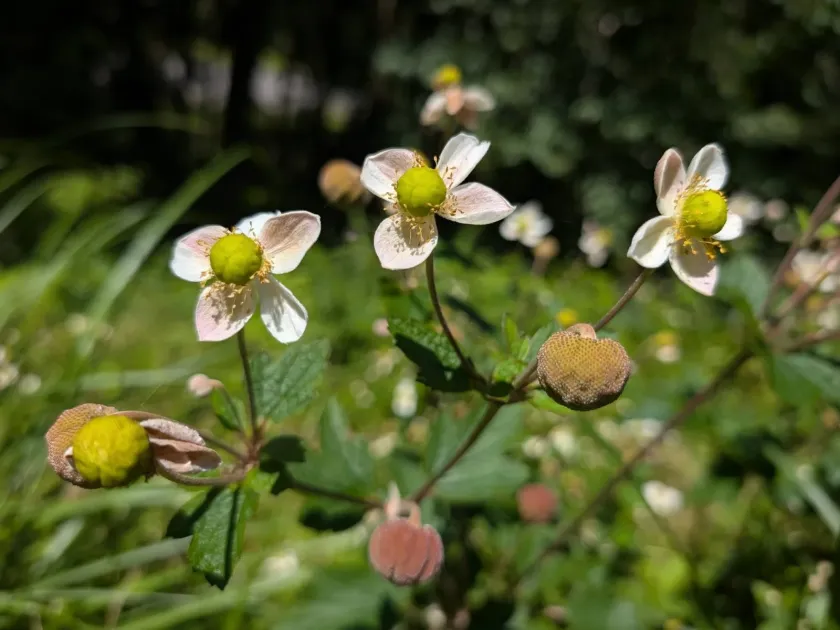
Eriocapitella vitifolia, commonly known as the grape-leaf windflower, is a robust herbaceous perennial belonging to the Ranunculaceae family. It is native to the temperate mountain regions of the Himalayas and parts of China, thriving in cool, moist, and shaded environments.
The plant demands rich, loamy, and well-draining soil to achieve optimal growth. While it appreciates high moisture levels in the growing medium, it is highly susceptible to root rot if the soil becomes waterlogged during dormant winter months, necessitating excellent drainage systems.
Ideal planting sites are those receiving dappled sunlight or partial shade throughout the day. Direct, intense sunlight should be avoided, as it can cause desiccation of the foliage and premature wilting of the delicate flowers, which are the main aesthetic feature of the plant.
Maintenance involves providing consistent hydration during dry spells and applying organic mulch around the base of the plant to regulate soil temperature and moisture. An annual application of balanced, slow-release fertilizer during early spring encourages vigorous foliage and flower production.
In regions with harsh winters, Eriocapitella vitifolia requires protective covering. A thick layer of straw, wood chips, or evergreen boughs helps insulate the root system against deep freezing, ensuring the plant emerges healthily in the following spring season.
Main diseases and pests
Fungal pathogens such as powdery mildew represent the most significant threat to this species, particularly in humid and stagnant conditions. Maintaining adequate plant spacing is essential to ensure proper air circulation and reduce the incidence of leaf infections.
Slugs and snails frequently cause extensive damage to new growth and emerging foliage, especially during damp spring weather. Implementing physical barriers like copper tape or using iron phosphate-based bait is an effective method to manage and minimize their impact on the garden.
Root-knot nematodes may also affect the plant's health, leading to stunted growth and reduced vigor. Monitoring for early signs of yellowing is crucial, and soil health should be managed by avoiding over-fertilization and ensuring the soil remains in good biological condition.
Aphids can colonize the undersides of leaves and flower stems, causing distortion and stress to the plant. Regular monitoring and the application of insecticidal soaps, when necessary, are sufficient to control these pests without damaging the surrounding ecosystem.
Sanitation practices, including the removal of dead or decaying plant debris in late autumn, are vital for preventing the overwintering of pests and pathogens. Keeping the planting area clean significantly improves the overall resilience of the crop throughout the year.