
Eriocapitella rupicola
Eriocapitella rupicola
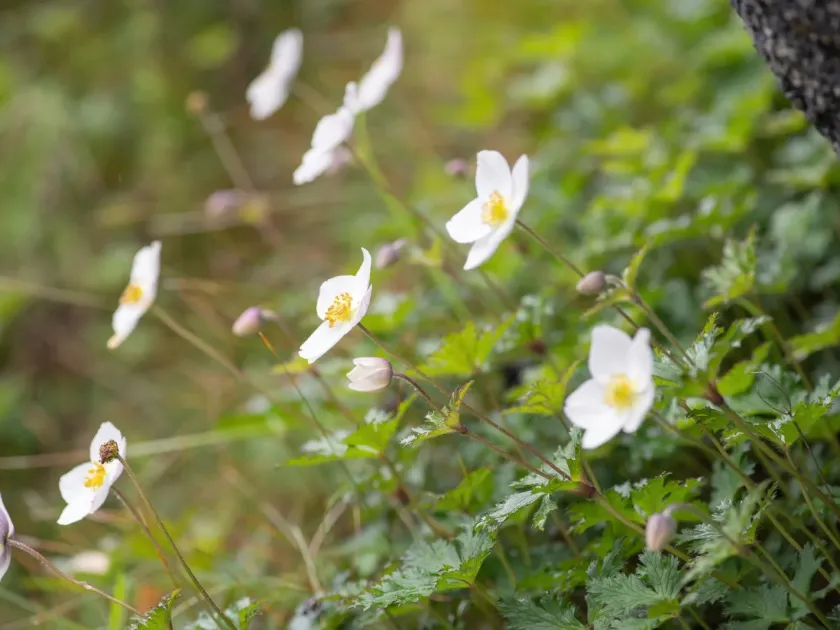
Description
Growing requirements
Eriocapitella rupicola belongs to the Ranunculaceae family and is a distinctive herbaceous perennial originating from the high-altitude regions of the Himalayas. This plant has adapted to survive in harsh rocky environments and alpine meadows.
To cultivate this species successfully, gardeners must provide well-drained, nutrient-rich soil that mimics its natural habitat. It thrives best in partial shade, where the plant is protected from the intense heat of the afternoon sun.
Regarding climate, the plant prefers cool temperatures and consistent moisture, as it is native to regions with regular precipitation. During periods of drought, irrigation is essential to maintain the vitality of the plant.
The botanical structure of Eriocapitella rupicola is characterized by pubescent foliage and sturdy stems that support delicate flowers. Its resilience to low temperatures makes it an excellent candidate for colder climates.
The primary use of this plant is in ornamental horticulture, specifically for rock gardens and naturalistic landscape designs. Its ability to bloom in cool, shaded conditions makes it a favorite among collectors of alpine flora.
Main diseases and pests
The most common threats to the plant are root rot and crown rot, which are often caused by poor drainage and waterlogged soil. In high humidity, the plants can also be susceptible to powdery mildew infections.
Pests such as slugs and snails are particularly attracted to the fresh foliage and can cause significant damage if not managed properly. Leaf nematodes can also affect the overall health of the plant.
Effective management includes ensuring proper spacing between plants to promote airflow, which reduces the risk of fungal pathogens. Using mulch can also help regulate soil temperature and prevent soil-borne pests.
Regular inspection of the plant base is vital to detect any early signs of distress or decay. If pests or diseases are identified, swift removal of the affected parts is the first line of defense.
Maintaining a clean garden environment and providing balanced nutrition will improve the natural resistance of the plant to these biological threats. Consistent monitoring is key to long-term success.