
Japanese anemone
Eriocapitella japonica
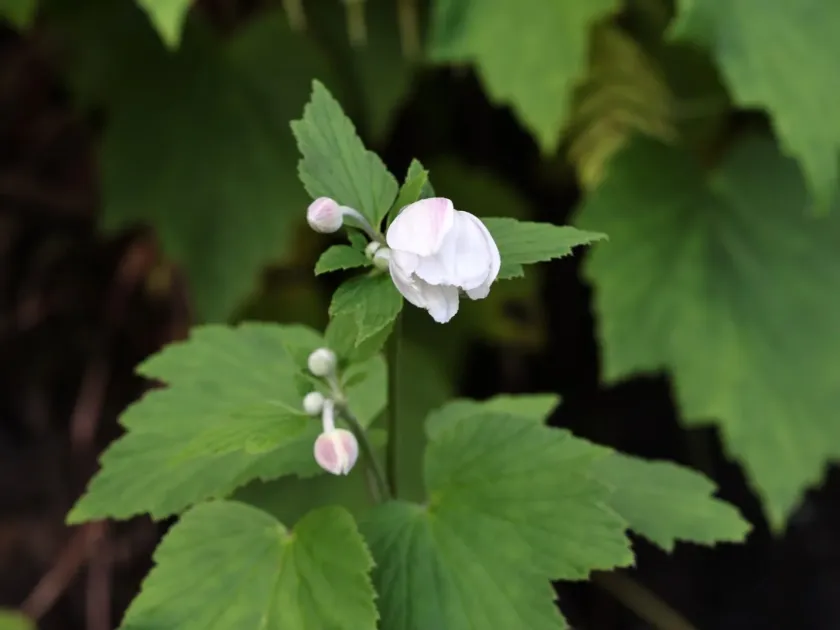
Description
Sowing dates
Japanese anemone is a long-lived perennial that is most effectively propagated by dividing the rhizomes, usually performed in early spring or after the autumn flowering season.
Seed propagation is also possible but requires a cold stratification period of several weeks to break dormancy and ensure consistent germination rates.
Seeds should be sown in trays filled with a light, well-draining potting mix and kept in a cool, protected environment to support initial development.
When propagating through division, it is crucial to ensure that each segment contains active buds, which allows for faster establishment and vigorous growth.
Proper spacing during transplantation is essential to prevent overcrowding and to allow each plant sufficient space for its root system to expand fully.
Growing requirements
This species thrives in partial shade, particularly preferring locations with morning sun and afternoon shade to prevent the foliage from scorching.
The soil must be rich in organic matter, fertile, and moist, yet it must possess excellent drainage capabilities to avoid waterlogging the roots.
Anemones perform best in soils that are slightly acidic to neutral, which supports optimal nutrient uptake and promotes long-lasting flower displays.
Consistent moisture is vital throughout the growing season, especially during hot summer spells, as the plants are susceptible to wilting under drought stress.
Winter protection, such as a layer of organic mulch, is highly recommended in colder climates to insulate the roots and prevent freezing damage.
Main diseases and pests
Common fungal issues include powdery mildew and leaf spot, which are frequently triggered by high humidity levels and poor air circulation around the plants.
Rhizome rot is a primary concern in waterlogged soils, making soil preparation and effective drainage systems critical for long-term survival of the crop.
Leaf nematodes are a significant pest that can cause distortion, discoloration, and overall weakness in the foliage, requiring immediate management efforts.
Aphids and spider mites may also infest the plant during hot, dry periods, potentially spreading viruses that negatively impact the overall health of the garden.
- Sanitize gardening tools to prevent disease spread.
- Monitor for early symptoms of fungal growth on leaves.
- Apply mulch to retain soil structure and reduce pathogen spread.