
Eriocapitella rivularis
Eriocapitella rivularis
Description
Growing requirements
Eriocapitella rivularis is a perennial herbaceous plant belonging to the Ranunculaceae family. It is native to the Himalayan regions, typically found in moist meadows and along riverbanks in China, India, and Bhutan.
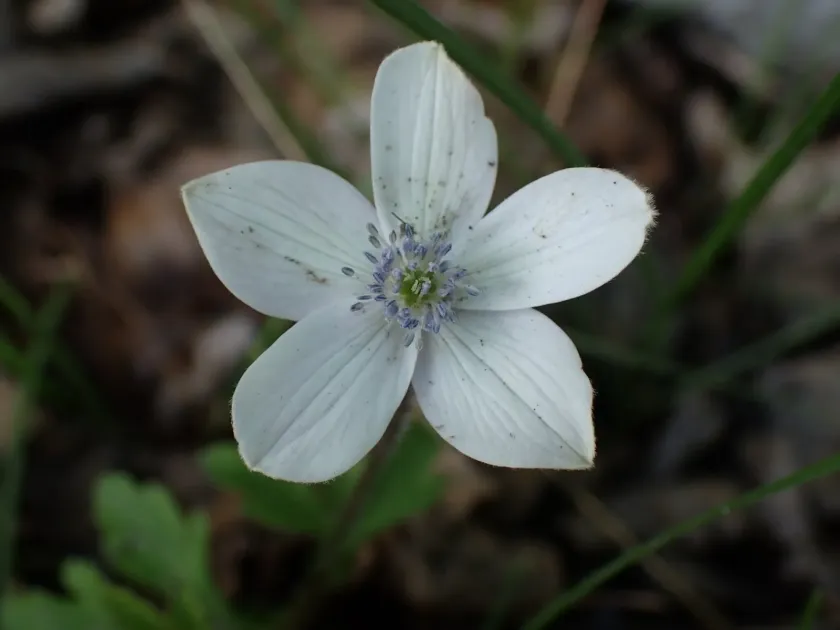
The plant is characterized by a rhizomatous root system, which allows it to spread gradually. Its foliage is basal and palmately lobed, while the flowering stems produce white, cup-shaped flowers with distinct yellow centers, resembling woodland anemones.
Cultivation requires conditions that mimic its natural habitat. This means planting in humus-rich, constantly moist, and well-draining soil. It thrives best in partial shade, as intense direct sunlight can scorch the leaves and dry out the root zone too rapidly.
The plant is reasonably hardy but requires protection from extreme cold and drying winds. In late autumn, providing a layer of organic mulch around the base of the plant helps to conserve soil moisture and protect the rhizomes during winter dormancy.
In ornamental horticulture, this species is highly valued for its ability to brighten shaded areas and its suitability for planting alongside garden streams or ponds where moisture levels are high.
Main diseases and pests
The primary threats to Eriocapitella rivularis include fungal pathogens, particularly those causing root rot, which are often triggered by waterlogged or poorly aerated soil conditions.
To mitigate these risks, it is essential to ensure that the planting site has excellent drainage, preventing water from pooling around the roots, especially during the dormant season.
Slugs and snails are the most common garden pests affecting this plant. They prefer the succulent nature of the foliage, so manual removal or the application of organic baits is often necessary during the spring months.
Leaf spots caused by various fungi can occur if the humidity remains too high without adequate airflow. Pruning affected leaves and thinning out dense patches can help keep the foliage dry and healthy.
Regular monitoring for early signs of infestation by sucking insects like aphids ensures that small outbreaks are handled before they impact the overall vigor of the perennial stand.