
Epidendrum parkinsonianum
Epidendrum parkinsonianum
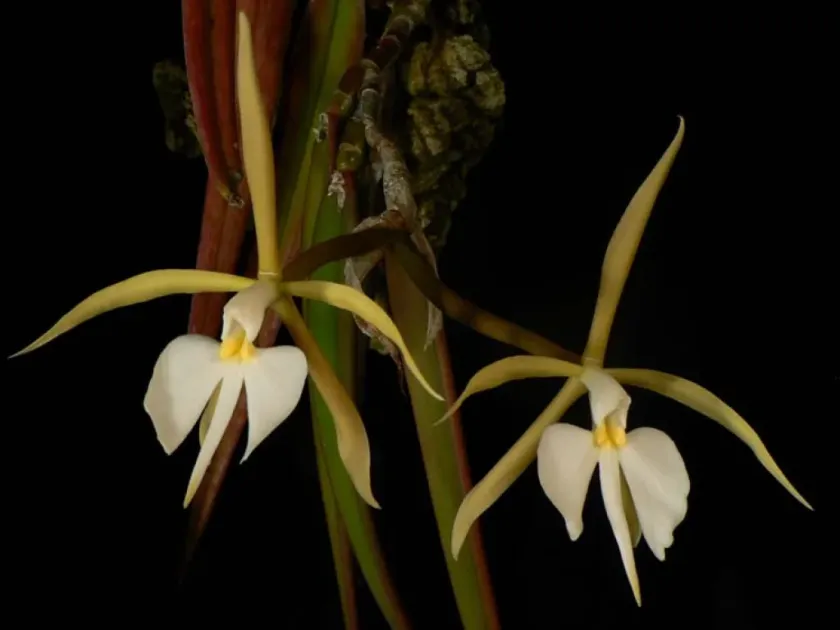
Description
Growing requirements
Epidendrum parkinsonianum is a fascinating species of epiphytic orchid within the Orchidaceae family. Native to the tropical regions of Mexico and Central America, this plant is characterized by its unique cascading growth habit and long, succulent-like leaves that hang from trees in the wild.
The cultivation of this orchid requires bright, indirect sunlight to ensure robust growth. While it enjoys high light levels, it must be protected from intense midday sun, which can scorch the foliage and negatively impact the plant's health during the peak summer months.
Temperature management is essential for this species. It thrives in moderate temperatures during the growing season, typically between 18 and 26 degrees Celsius. A slightly cooler period during the winter months, with temperatures dropping to about 12 degrees, is necessary to trigger the development of new flower spikes.
Since it is an epiphyte, the choice of growing medium is crucial. A very loose mixture consisting of coarse pine bark, charcoal, and perlite is ideal. This ensures that the roots have excellent drainage and constant access to oxygen, preventing any chance of moisture stagnation.
Watering should be frequent during the growing season but must be tapered off once the plant enters its dormancy period. It is essential that the substrate dries out sufficiently between waterings to prevent the roots from rotting, as this species is highly sensitive to waterlogged conditions.
Main diseases and pests
The primary threat to Epidendrum parkinsonianum is root and stem rot, which is almost always caused by improper watering techniques or using an overly compact potting substrate that does not allow for proper aeration.
Mealybugs are a common pest that can infest this orchid, particularly in protected environments. They often hide in the tight spaces between the leaves and the base of the pseudobulbs, making them difficult to detect and eradicate.
Spider mites are another significant threat, especially when the indoor air humidity falls too low. These pests can cause extensive damage to the leaves by piercing the plant cells and feeding on the sap, leading to overall plant decline.
Scale insects can also attach themselves to the stems and leaf undersides. Regular inspection is required, as these insects can quickly sap the plant's vitality, leaving it susceptible to secondary fungal or bacterial infections.
Proactive care involves good air circulation and routine washing of the foliage to remove dust and prevent pest colonization. If an infestation occurs, targeted use of horticultural soaps or systemic pesticides is recommended.