
Encalypta
Encalypta
Encalypta is a genus of mosses belonging to the family Encalyptaceae. In the context of agronomy, it is important to clarify that this plant is not a commercial crop but rather a wild species that plays an essential role in ecological processes, such as soil stabilization and primary colonization of rocky substrates.
What the section contains


Encalypta
The distribution range of the genus encompasses a wide variety of environments, primarily in the Northern Hemisphere. These mosses are typically found in high-light areas, such as limestone outcroppings, calcareous soils, and rocky crevices, where they act as significant indicators of soil pH and mineral composition.
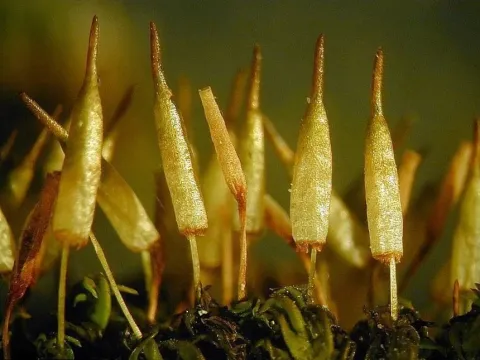
Botanically, Encalypta is distinguished by its unique capsule structure, which is protected by a prominent, elongated calyptra that covers the spore-bearing capsule until maturity. The plants grow in compact, cushion-like mats, allowing them to effectively trap dust and moisture from the atmosphere.
Environmental requirements for Encalypta are quite specialized, as the species thrives in nutrient-poor conditions. It does not require artificial fertilizers or human cultivation, as it is perfectly adapted to survive on rocks and mineral debris, obtaining nutrients through atmospheric deposition and slow mineral weathering.
Regarding its utility, the moss is valued primarily for its ecological contribution. It aids in soil surface protection against erosion and contributes to the formation of micro-habitats for microorganisms. Consequently, while not an agricultural product, it remains a vital component of the natural ecosystem that surrounds agricultural lands.