
Alpine extinguisher moss
Encalypta alpina
Description
Growing requirements
Encalypta alpina, commonly known as the alpine extinguisher moss, belongs to the Encalyptaceae family. This bryophyte is indigenous to circumpolar and high-altitude alpine regions, thriving in harsh environments where few other plants can survive.
The plant demonstrates a strong preference for calcareous substrates. It frequently colonizes limestone crevices, rocky outcrops, and tundra soils. Its ability to extract nutrients from mineral-rich surfaces makes it a pioneer species in alpine ecosystems.
Environmental conditions are paramount for its survival. It requires cool temperatures and high atmospheric humidity. In its natural range, the moss relies on reliable winter snow cover to insulate its tissues from sub-zero temperatures and wind desiccation.
While not a commercial crop, the plant plays a significant role in soil stabilization. By creating dense mats, it prevents soil erosion on steep slopes and assists in the formation of thin organic layers in barren mountain landscapes.
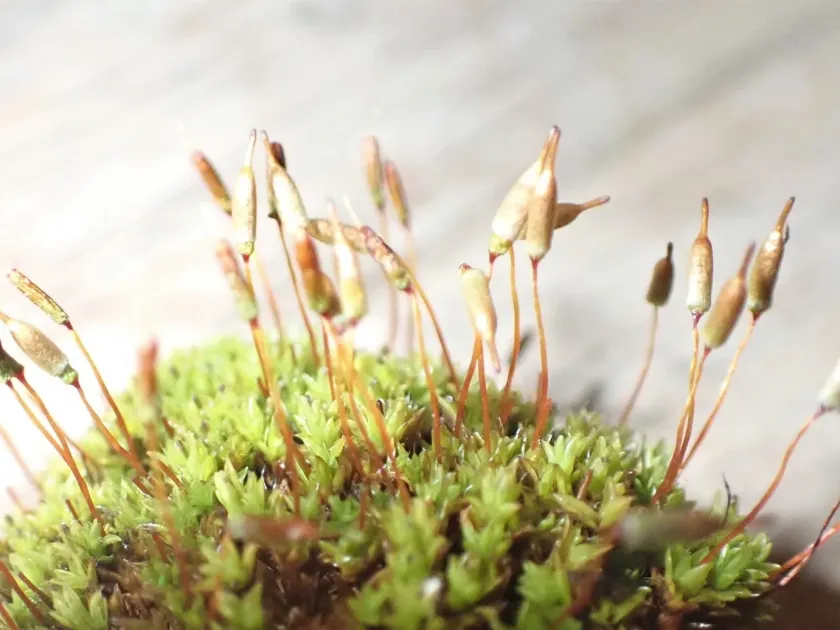
The most distinctive biological feature is the calyptra, which covers the capsule like an extinguisher. This structure is essential for the protection of the sporophyte during development, providing a critical advantage in erratic mountain weather conditions.