
Encalypta rhaptocarpa
Encalypta rhaptocarpa
Description
Growing requirements
Encalypta rhaptocarpa is a species of moss belonging to the family Encalyptaceae. As a perennial bryophyte, it is primarily recognized for its unique morphological features adapted to cold and harsh environments.
The distribution of this species is largely circumpolar, found throughout Arctic and alpine regions of the Northern Hemisphere. It thrives in open, exposed locations where competing vegetation is minimal, often settling on mineral-rich substrates.
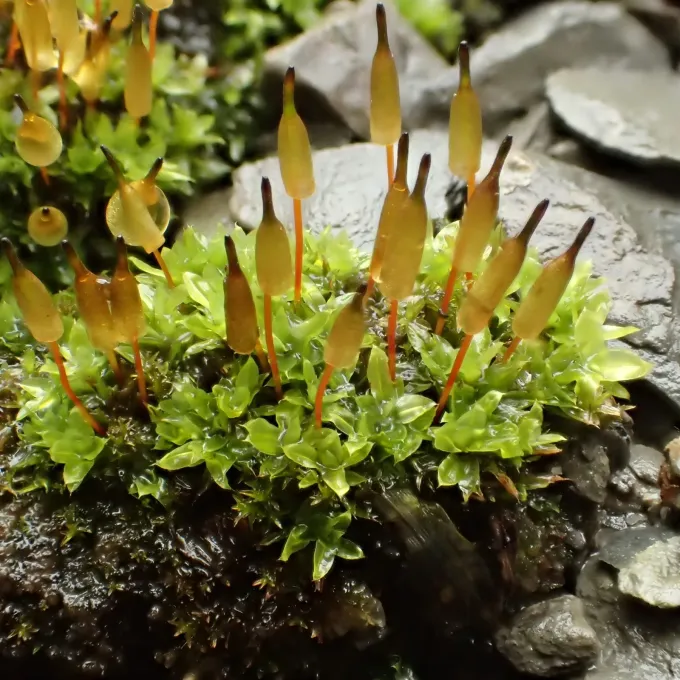
The plant exhibits specific botanical traits, notably the ribbed capsules (sporophytes) which feature vertical furrows. These structures are essential for spore dispersal during the short growing season characteristic of its natural habitat.
Regarding substrate preferences, Encalypta rhaptocarpa is typically found on calcareous soils or limestone outcrops. While not utilized as a conventional agricultural crop, it serves as a bio-indicator for lime-rich, alkaline soil conditions in remote northern areas.
The climatic requirements include high tolerance to freezing temperatures and a reliance on snowmelt for hydration. Its ability to colonize rocky crevices and poor soils makes it an essential pioneer species in primary succession processes within the tundra biome.