
Blueweed
Echium vulgare L.
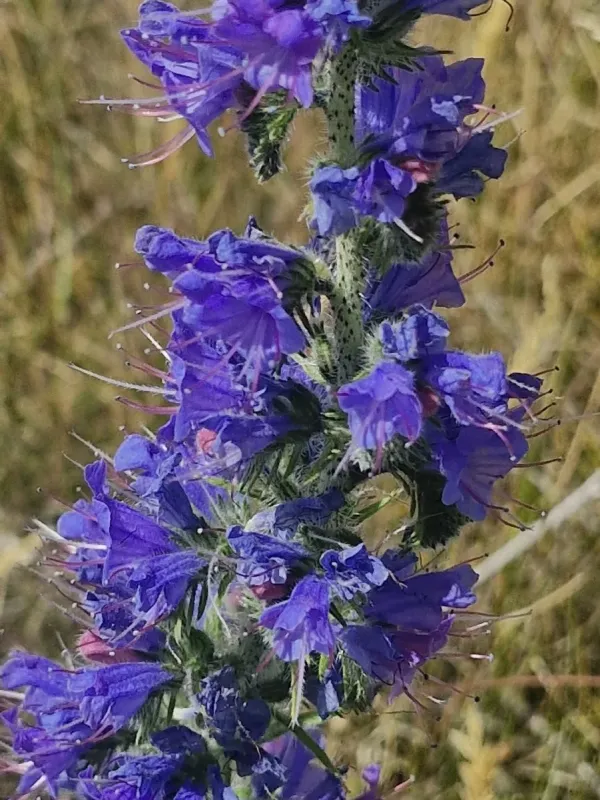
Description
Sowing dates
Echium vulgare is a biennial plant that is typically sown in early spring or late autumn. Spring sowing is preferred in temperate climates as it allows the seeds to benefit from the melting snow moisture, ensuring a uniform germination.
The recommended seeding rate is approximately 3–5 kg per hectare. Due to the small size of the seeds, they should be shallowly planted at a depth of 1–2 cm, which is crucial for optimal access to light and oxygen for the seedlings.
Rolling the soil after sowing is a standard agricultural practice for this crop. It ensures good soil-to-seed contact, which is essential given the small size of the seeds and their sensitivity to moisture levels in the topsoil.
During the first year, the plant invests energy into developing a robust basal rosette of leaves and a strong root system. This primary growth phase is critical for the plant's ability to produce flowers and nectar in the second year.
Adequate row spacing is vital for the crop to reach its maximum productivity. Overcrowding should be avoided to prevent competition for light and nutrients, which can negatively affect the overall stand quality.
Growing requirements
As a member of the Boraginaceae family, Echium vulgare is renowned for its hardiness and adaptability. It thrives in various soil types, including poor, sandy, and stony soils, where it demonstrates remarkable drought tolerance.
This crop requires full sun exposure to maximize its nectar production potential. Shade significantly reduces the quality and quantity of honey produced by bees visiting the flowers, making site selection a critical factor for beekeepers.
The plant is highly winter-hardy and can withstand significant fluctuations in temperature. It is naturally adapted to survive harsh winters and is resilient to late spring frosts, which are common in many agricultural regions.
Echium vulgare prefers neutral to slightly alkaline soils. It does not require intensive fertilization, as it is well-adapted to low-nutrient environments, making it a cost-effective choice for large-scale melliferous planting.
One of the most important benefits of this plant is its ability to grow in degraded or eroded areas, where it helps to stabilize the soil and prevent further erosion through its deep taproot system.
Yield
Echium vulgare is highly valued in apiculture as a primary honey plant. Under favorable environmental conditions, it can yield up to 300–400 kg of honey per hectare, making it an economically significant crop for beekeeping operations.
The honey produced from blueweed is of exceptional quality, light in color, and exhibits a slow rate of crystallization. These traits make it highly desirable for both commercial beekeepers and end consumers.
In addition to nectar, the plant provides a significant amount of high-quality pollen. This acts as a vital protein source for honeybee colonies, supporting their growth and health throughout the summer months.
For seed production, the crop can yield between 2 and 5 decitonnes per hectare. Successful harvesting depends on timely operations to ensure that the mature seeds are captured before they naturally disperse.
Beyond its melliferous value, the biomass of the plant can be utilized as a green manure to enrich soil structure, providing a sustainable solution for land improvement in exhausted fields.
Main diseases and pests
The plant possesses a strong natural defense system, including specific alkaloids in its tissues, which makes it highly resistant to most agricultural diseases. It is rarely affected by pests that typically plague other crops.
Powdery mildew can occasionally appear on the leaves during the first year of growth if the stand is too dense or if there is excessive humidity and poor air circulation. Proper planting density is the best preventative measure.
Root rot is generally not a concern unless the crop is grown in heavy, waterlogged clay soils. Ensuring good drainage is the primary requirement for maintaining a healthy and productive stand of Echium vulgare.
While some insects may graze on the leaves, the damage is typically insignificant and does not affect the plant's survival or honey production capabilities. Chemical interventions are rarely, if ever, necessary.
Its natural resilience makes it an ideal crop for sustainable farming practices, as it requires minimal to no chemical inputs, preserving the surrounding ecosystem and bee health.
Harvesting
The seed harvest occurs in the second year of the plant's life cycle. Growers typically wait until the majority of the flower spikes turn brown, indicating that the seeds have reached physiological maturity.
A two-stage harvesting process is recommended for optimal results: mowing the plants into windrows to allow for uniform drying, followed by combining. This technique significantly reduces seed loss during the operation.
Once harvested, the seeds must be dried to a moisture content of 12–14% to prevent mold and ensure long-term viability. Proper storage in a cool, dry place can maintain germination rates for up to 3 years.
The post-harvest biomass can be incorporated back into the soil, acting as a natural amendment. This practice helps to recycle nutrients and improve the organic matter content of the soil for future plantings.
Efficiency in harvesting is key to economic success, as the timing of the harvest directly impacts the quantity of viable seeds available for the next planting season.