
Purple viper's-bugloss
Echium plantagineum L.
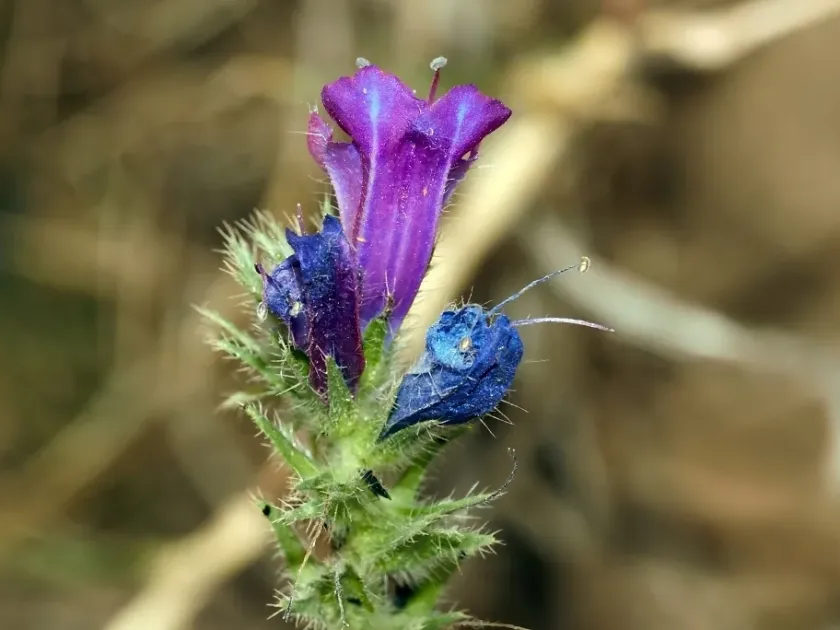
Description
Sowing dates
Purple viper's-bugloss is typically sown in early spring, as soon as the soil warms up to 5–8 degrees Celsius, allowing the seeds to utilize soil moisture effectively.
Winter sowing is also possible and often practiced in regions with mild winters to ensure uniform germination at the very beginning of the next growing season.
The seeding rate is approximately 4–6 kg per hectare, provided a row-cropping method with spacing of up to 45 cm is utilized for optimal plant growth.
For successful germination, seeds should be sown at a depth of no more than 1–2 cm, as the small seeds possess limited nutrient reserves for emergence.
Compacting the soil after sowing is a mandatory agronomic practice to ensure firm contact between the seeds and the moist soil environment.
Growing requirements
Purple viper's-bugloss belongs to the Boraginaceae family and is a resilient crop capable of adapting to various soil types and environmental conditions.
The plant exhibits high drought tolerance, making it a promising candidate for cultivation on poor, rocky, or sandy soils where other crops struggle.
Optimal conditions include sunny areas with moderate moisture, as excessive water saturation can negatively impact the development of the taproot system.
The crop is not demanding regarding soil acidity, though peak productivity is achieved on neutral or slightly alkaline soils with good aeration properties.
The temperature range during the active growing phase should be around 20–25 degrees, while the plant displays high frost hardiness during the rosette stage.
Yield
The economic use of Echium plantagineum is primarily focused on high-quality honey production, which establishes its high value for the beekeeping industry.
Nectar yield can reach 300–600 kg per hectare, placing this plant among the most productive honey sources currently utilized in agricultural systems.
Beyond nectar, the plant serves as a potential forage crop, though caution is advised due to the presence of alkaloids that may be harmful to certain livestock.
Seed productivity averages between 300–500 kg per hectare, which allows for sustainable crop rotation and the expansion of cultivated land areas.
Regular application of micronutrient fertilizers during the budding phase can significantly enhance nectar secretion and increase the total seed harvest weight.
Main diseases and pests
Major phytosanitary risks involve powdery mildew infections, which are particularly prevalent during periods of prolonged rainfall and high air humidity.
Pests such as weevils and certain aphid species can cause damage to young seedlings, requiring regular monitoring of the crop health throughout the season.
Root rot diseases may develop in heavy, waterlogged soils, necessitating proper irrigation management and adequate drainage systems for the planting field.
Mechanical inter-row cultivation is used for weed control in the early growth stages, as the crop is sensitive to competition during the first month.
The use of approved insecticides and fungicides must strictly adhere to environmental standards, especially when the field serves as a primary apiary resource.
Harvesting
Harvesting of Purple viper's-bugloss seeds is performed at the stage of full maturity, when flower stalks turn brown and the seeds become hard.
Because seed ripening occurs unevenly, a two-phase harvesting method is often employed to minimize losses caused by natural seed shattering.
Mown plants are dried in windrows for several days, followed by threshing with combine harvesters set to low drum speeds to avoid damaging the seeds.
Cleaning of the seed material is carried out using seed processing machinery with appropriate sieve selections to remove plant debris and weed seeds.
Post-harvest conditioning includes drying the seeds to a moisture level of 10–12 percent, which is essential for long-term storage without quality loss.