
Echinocystis lanata
Echinocystis lanata
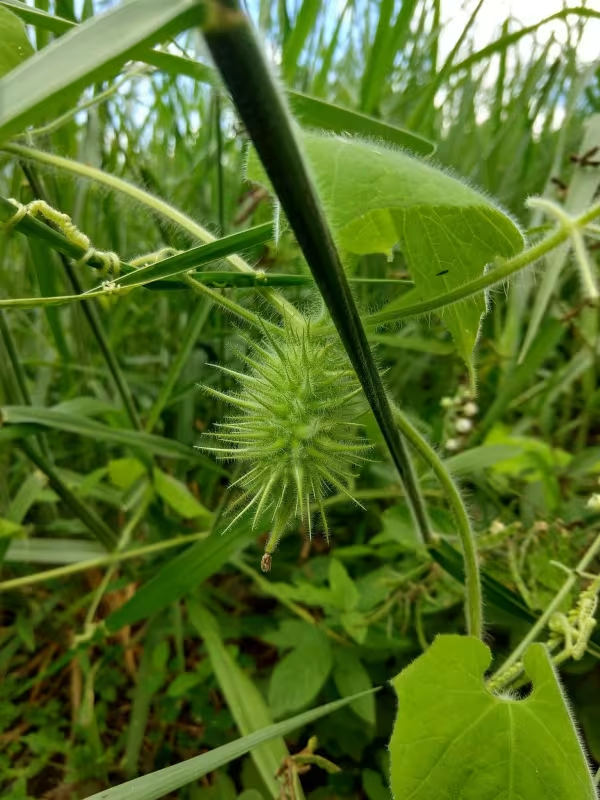
Description
Sowing dates
The sowing of Echinocystis lanata in open field conditions should occur after all risks of frost have passed. The ideal time for planting is late May, when the soil temperature consistently reaches at least 12 degrees Celsius, promoting rapid seed germination.
For regions with shorter growing seasons, starting seeds in individual biodegradable pots during mid-April is an effective practice. This method ensures a robust root system before transplanting the seedlings into the field once the weather stabilizes.
Seeds should be sown at a depth of 3 to 5 centimeters to ensure proper moisture retention around the embryo. Spacing between individual plants should be at least 40–50 centimeters to allow for adequate ventilation and access to light.
Prior to sowing, soaking seeds in growth-promoting solutions can significantly improve germination rates. This step is particularly beneficial for achieving uniform plant development across the entire field or area.
Considering the vigorous growth habit of this species, selecting a permanent location with sufficient space is essential. If growing near structures or fences, ensuring that the soil is prepared to support climbing habits is recommended.
Growing requirements
Belonging to the Cucurbitaceae family, Echinocystis lanata thrives in sunny environments where it can maximize its photosynthetic potential. Full sun exposure is preferred, although the plant can tolerate light shade during the hottest parts of the day.
Fertile, well-draining soils with a neutral or slightly acidic pH level are ideal for this crop. The structure of the soil should allow for good aeration to support the extensive root system typical of vigorous climbing plants.
Regular moisture is crucial for the consistent growth of foliage. While the plant shows some resilience, deep watering during dry spells ensures that the plant maintains its structural integrity and leaf color throughout the season.
Incorporating organic matter, such as compost, into the soil before planting provides a steady supply of nutrients. During the vegetative stage, balanced NPK fertilizers may be applied to encourage healthy vine development.
Preventative weeding is highly recommended, especially during the early stages of establishment. By keeping the area free of competing vegetation, the plant can direct all available resources toward rapid growth and healthy development.
Main diseases and pests
Powdery mildew represents a significant threat to Echinocystis lanata, especially in conditions characterized by high humidity and stagnant air. This fungal disease creates a white dusting on leaves, which can severely hinder the plant's physiological processes.
Downy mildew is another potential challenge, particularly in humid regions. Monitoring the underside of leaves for signs of discoloration is key to early detection and management through appropriate fungicidal treatments.
Spider mites are common insect pests that thrive in dry, warm conditions. These pests feed on cell sap, causing the foliage to turn yellow and eventually die if the infestation is not brought under control.
Aphids can also colonize the young, succulent shoots of the plant. Regular monitoring and the application of insecticidal soaps or systemic treatments can prevent widespread damage to the vine's growing tips.
To minimize disease pressure, practitioners should avoid planting in areas previously used for other cucurbits. Implementing a thoughtful crop rotation plan is the best long-term strategy for maintaining soil health and preventing common plant pathogens.