
Coulter's wild cucumber
Echinocystis coulteri
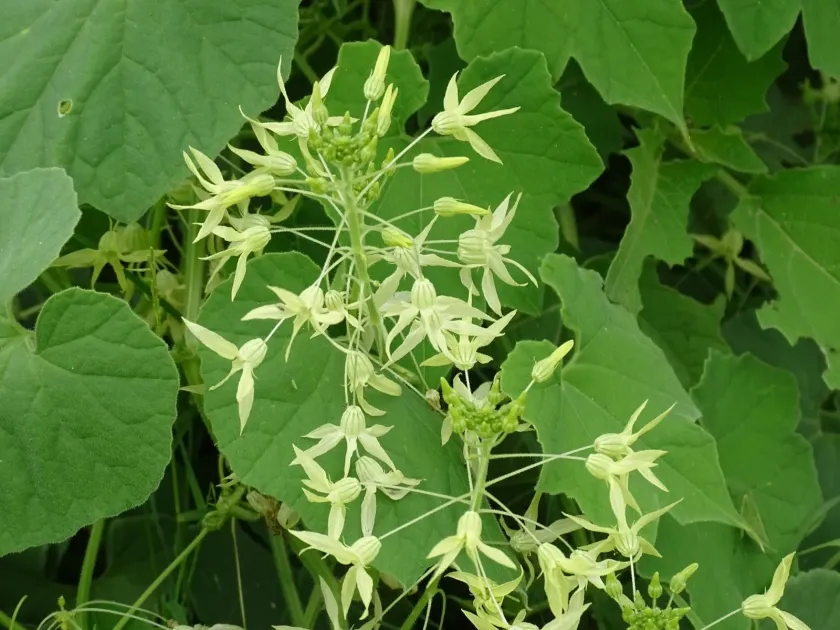
Description
Sowing dates
Coulter's wild cucumber is a vigorous annual vine within the Cucurbitaceae family, typically propagated by seeds sown directly into the soil after all danger of frost has passed in the spring season.
For gardeners looking for a jumpstart on the growing season, starting seeds indoors in biodegradable pots about three to four weeks before the last frost date is an effective and common practice.
The seeds should be planted at a depth of approximately 2 to 3 centimeters, ensuring they are placed in well-draining soil that remains consistently warm to support rapid and healthy germination.
Because this species is a rapid climber, it is essential to install sturdy trellis systems or other vertical supports at the time of planting to guide the vine's growth and prevent overcrowding.
Spacing is a critical factor for success; allow at least one meter between planting sites to ensure adequate air circulation and to prevent the plants from competing for nutrients and water.
Growing requirements
This plant thrives in full sun exposure, which is necessary for it to produce its characteristic foliage and maintain the rapid growth rates typical for this species of the cucumber family.
Well-drained, nutrient-rich soil is preferred, ideally amended with organic matter like compost to support the vine's heavy metabolic demands throughout the peak of the summer months.
Water requirements are moderate to high during the vegetative growth phase; consistency is key, but gardeners must ensure that the site does not hold standing water, which could rot the roots.
Mulching around the base of the plant can help retain moisture in the soil, suppress weed growth, and maintain a more stable root temperature, particularly during hot and dry spells.
While the plant is quite hardy once established, it benefits from balanced NPK fertilizer applications to sustain its structural integrity and the health of its extensive leaf canopy.
Main diseases and pests
The most common pests affecting this plant include aphids and spider mites, which can cause significant leaf damage and weaken the vine's ability to photosynthesize effectively in summer.
Powdery mildew is a prevalent fungal issue, often appearing as a white dusting on the foliage when conditions are overly humid or when there is insufficient airflow between the dense vines.
Root rot remains a significant threat if the soil is poorly drained or if the plant is overwatered, necessitating careful monitoring of soil moisture levels during the entire season.
Integrated pest management strategies, such as using horticultural soaps or neem oil, are recommended for controlling minor infestations before they develop into more serious agricultural problems.
Rotating planting locations every few years is a vital practice for preventing soil-borne pathogens from accumulating and affecting the health of subsequent crops in the same area.