
Burgu millet
Echinochloa stagnina (Retz.) P. Beauv.
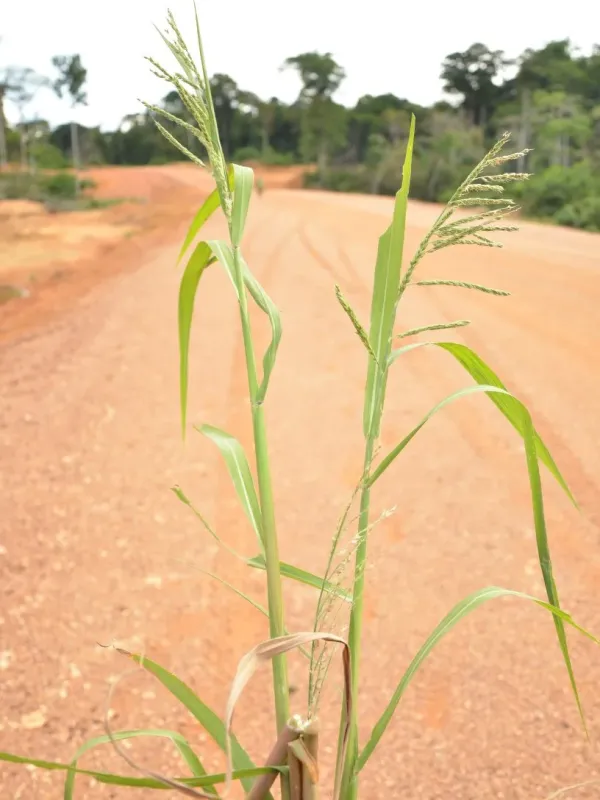
Description
Sowing dates
Burgu millet (Echinochloa stagnina) is a member of the Poaceae family, widely adapted to aquatic and semi-aquatic environments. In its natural habitat, seeds are dispersed by floodwaters, settling into nutrient-rich silts once the water recedes.
For cultivation, seeds should be sown directly into well-moistened, warm soil. The optimal sowing period aligns with the onset of the rainy season to ensure the substrate remains saturated during the critical germination phase.
Seeds are sown superficially with minimal covering, as light is essential for successful germination. Proper seed-to-soil contact is required to support rapid rooting and initial establishment of the grass stand.
To ensure a high yield, sowing density should be high enough to create a dense canopy. This helps suppress competitive weed species that might otherwise thrive in the nutrient-rich riparian zones where this crop is typically grown.
Post-germination management requires maintaining a constant supply of moisture. The temperature for optimal growth ranges between 20–25 degrees Celsius, allowing the plants to rapidly accumulate green biomass.
Growing requirements
Echinochloa stagnina is a hydrophytic grass that thrives in waterlogged or flooded conditions. It is specifically adapted to river floodplains, where it can withstand prolonged periods of submergence.
The crop requires fertile alluvial soils rich in organic matter. A high nitrogen content is particularly beneficial, as it promotes rapid vegetative growth and improves the nutritional quality of the forage.
Light intensity is a critical requirement for this species. Shade significantly inhibits growth, leading to weak stalks and reduced biomass, which can compromise the overall economic yield of the crop.
Climatic requirements are focused on tropical and subtropical zones. The plant is highly sensitive to frost, necessitating a growing season that is free from cold temperatures throughout the vegetative stage.
Water quality and salinity levels are also important factors. While the plant shows moderate tolerance to salinity, excessive mineral content in the water can restrict its growth and limit its suitability for certain irrigation schemes.
Yield
The yield potential of Burgu millet is substantial under suitable moisture conditions. The grass is known for its ability to produce multiple harvests within a single growing season due to its rapid regrowth rate.
A unique biological feature of this plant is the ability of its culms to elongate in response to rising water levels. This adaptation ensures that the leaves remain above the water surface, maximizing photosynthesis and yield.
The biomass is primarily used for fodder, serving as a highly nutritious source of protein for livestock. It can be harvested for hay, ensiled for long-term storage, or utilized directly as a managed pasture.
Beyond its value as animal feed, Echinochloa stagnina is valuable for phytoremediation. It efficiently absorbs excess nutrients from water, helping to maintain the water quality in irrigation channels and local wetlands.
Yield stability is directly proportional to the fertility of the river silt deposits. Regular monitoring of the soil nutrient levels is advised for agricultural producers seeking to maintain long-term crop productivity.
Main diseases and pests
Fungal pathogens represent the primary threat to this crop, particularly rusts and smuts that thrive in high-humidity environments. These diseases can quickly spread if water stagnation occurs for too long.
Various insect pests, including sucking insects and defoliating larvae, can attack the foliage. These infestations are often more pronounced during drier intervals when the plants are under stress and less vigorous.
Disease management involves maintaining water flow, which prevents the build-up of fungal spores in the water column. Good field sanitation, including the removal of infected residues, is also essential.
Mechanical damage to the stalks caused by overgrazing can create entry points for secondary bacterial infections. Implementing controlled grazing rotations is a necessary practice to maintain the health of the stand.
Routine inspection of the plant base is vital to identify early signs of rot or decay. If symptoms of infection appear, immediate harvest or thinning of the affected area is recommended to protect the healthy portions of the crop.