
Ecclinusa ramiflora
Ecclinusa ramiflora
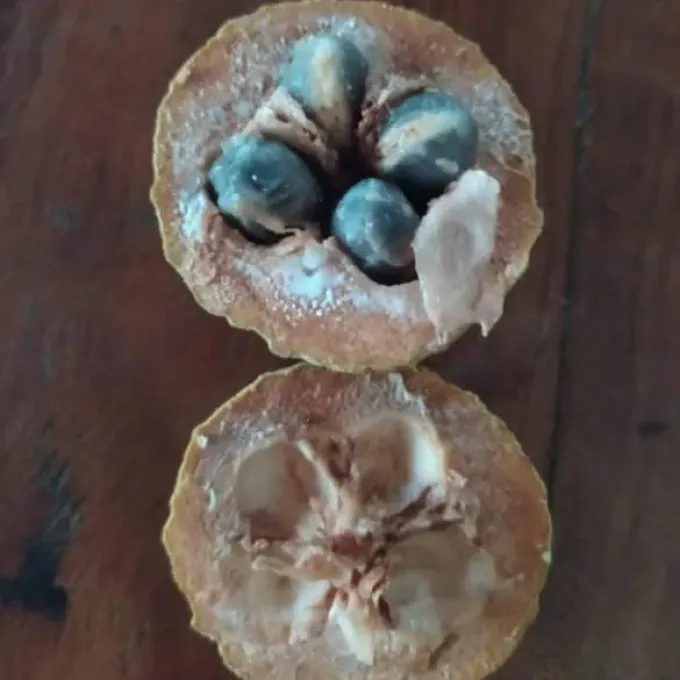
Description
Growing requirements
Ecclinusa ramiflora is an evergreen tree species belonging to the Sapotaceae family. It is native to the tropical rainforests of South America, primarily flourishing in the Amazon basin where it grows as an understory or mid-canopy tree.
The culture requires a consistently hot and humid tropical climate, with temperatures ranging from 24 to 30 degrees Celsius. It is highly sensitive to cold spells and does not tolerate frost or significantly cooler nocturnal temperatures.
Regarding soil requirements, the species thrives in deep, well-draining alluvial soils that are rich in organic matter. While it enjoys moisture, it cannot withstand waterlogged conditions, which can lead to rapid root rot.
Botanically, it is known for its cauliflorous nature, meaning the flowers and fruits emerge directly from the trunk and woody branches. The leaves are thick, leathery, and dark green, designed to maximize light absorption in the dense rainforest environment.
For successful cultivation, young saplings need careful management, including shade protection from direct sunlight and wind breaks. Once established, the trees are more resilient but still benefit from consistent irrigation during dry spells.
Yield
The fruits of Ecclinusa ramiflora are a significant nutritional resource, valued for their sweet, aromatic pulp. They serve as a localized food source, providing essential sugars and vitamins for both rural communities and various avian species.
Yield productivity is tied to the age and health of the tree. In managed forest garden systems, mature specimens can provide a reliable seasonal harvest, contributing to the diversity of tropical agroforestry production.
The tree also has non-food uses, including the extraction of latex from the bark. This resinous material has historical significance in local crafts and traditional medicine, adding economic value beyond the annual fruit crop.
Due to the perishable nature of the fruit, processing into jams, pastes, or localized desserts is the primary method of post-harvest management. The shelf life is limited, necessitating immediate consumption or processing upon harvest.
- Nutritionally dense tropical fruit.
- Source of natural latex resins.
- Essential component of Amazonian agroforestry.
Main diseases and pests
Primary threats to this culture include various fungal pathogens that thrive in high-humidity tropical conditions. These fungi can cause stem cankers or fruit rot, significantly reducing the marketable yield if not monitored properly.
Insect pests, such as borers and larvae, present a major challenge by damaging developing shoots and reproductive buds. Integrated pest management strategies are often difficult to implement in remote tropical planting sites.
Soil-borne pathogens like nematodes can weaken the tree's health, particularly in poor or compacted soils. Maintaining soil health through organic mulching and proper tree spacing is essential to mitigate these biological threats.
Competition from aggressive fast-growing weeds can suppress young saplings, delaying the time to first fruiting. Regular maintenance of the surrounding canopy and clearing of ground vegetation is required in early development stages.
The lack of standardized commercial breeding programs means that most planting stock is wild-collected, leaving it susceptible to natural pest pressures that have not been adequately addressed through traditional horticultural methods.