
Ecclinusa lanceolata
Ecclinusa lanceolata
Description
Growing requirements
Ecclinusa lanceolata is a perennial evergreen tree species belonging to the Sapotaceae family. Native to the tropical rainforests of South America, it thrives in high-humidity ecosystems with complex biodiversity.
The plant demands a consistent tropical climate characterized by high annual temperatures and substantial rainfall throughout the year. It does not tolerate frost and thrives best in areas where the mercury remains stable.
Soil requirements are centered on well-drained, nutrient-rich alluvial soils. Proper water management is essential; while the tree loves moisture, it cannot survive in stagnant water that limits oxygen to the root zone.
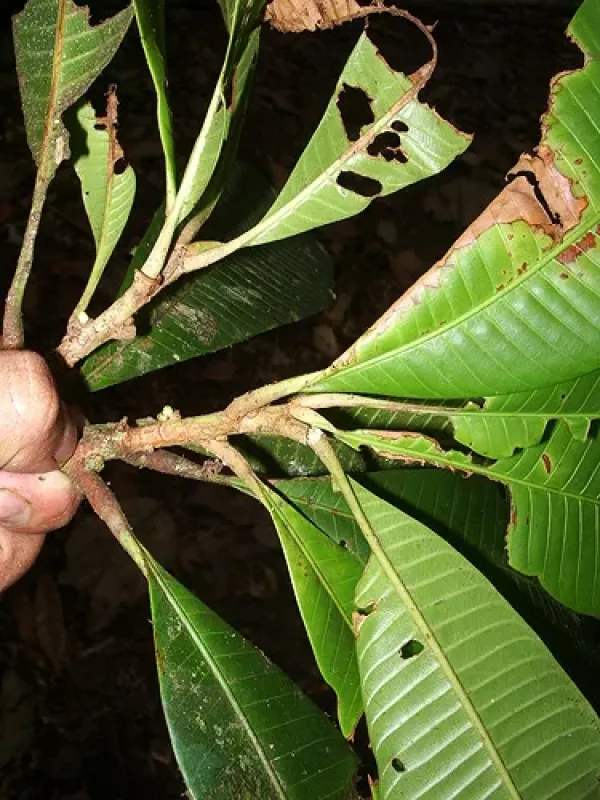
Botanically, it is recognized by its dense foliage and lanceolate-shaped leaves. These leaves are adapted to shed heavy tropical rainfall efficiently, protecting the plant from mechanical damage during storms.
The economic value of this tree is primarily attributed to its latex production. Historically and in modern niche applications, its sap is harvested and processed into various biological resins and gums.
Main diseases and pests
Fungal infections of the bark are a significant threat to Ecclinusa lanceolata. These pathogens often enter the plant through mechanical wounds caused by improper latex tapping techniques.
Leaf-eating insects, specifically beetles and moth larvae common in the Amazonian basin, can cause massive defoliation. Integrated pest management strategies are required to maintain canopy health.
Excessive humidity combined with poor air circulation within the plantation encourages the growth of epiphytic algae and fungi on the trunk. This can weaken the tree and inhibit nutrient transport.
Root rot pathogens represent a severe risk during the peak of the monsoon season. Ensuring that the orchard is located on elevated terrain or has a natural drainage system is critical for plant survival.
Finally, competition from fast-growing invasive weeds in the tropics can choke young seedlings. Maintaining a clear radius around the trunk during the initial growth stages is a fundamental management practice.