
Kohekohe
Dysoxylum spectabile
Description
Growing requirements
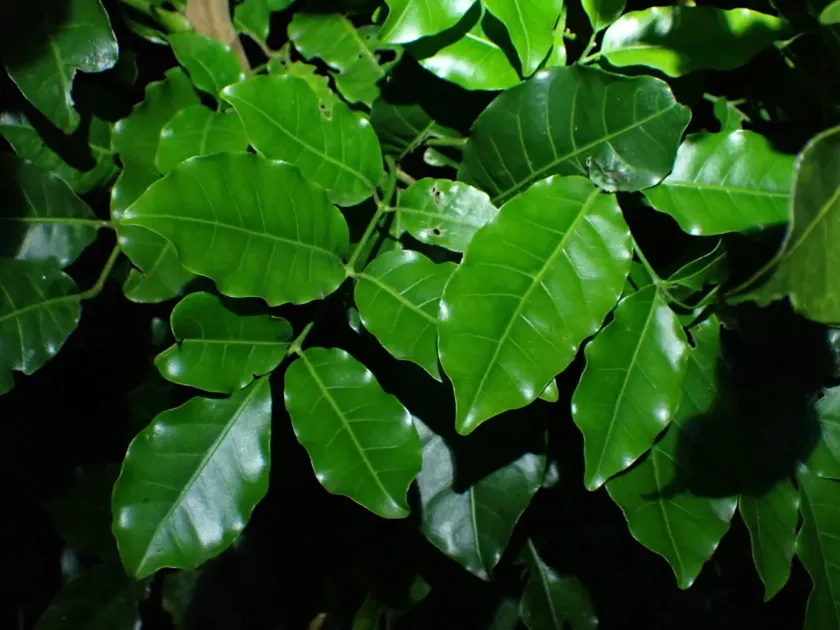
Dysoxylum spectabile, commonly known as Kohekohe, is an evergreen tree species belonging to the Meliaceae family. It is recognized for its unique cauliflory, where delicate, waxy white flowers emerge directly from the trunk and woody branches, creating a striking visual appearance.
Native to New Zealand, this tree is a characteristic component of coastal and lowland forests. Historically, it was widely distributed across the North Island, often dominating the forest canopy in sheltered, moist environments near the sea.
Cultivation of Kohekohe requires deep, fertile, and well-drained soils. The plant is particularly sensitive to waterlogged conditions, which can lead to root rot. Successful planting sites should have a high organic content to replicate the rich forest floor conditions found in its natural habitat.
The tree thrives in mild, temperate climates with high atmospheric humidity. It is sensitive to severe frost and harsh, desiccating winds, which can damage its large, lush foliage. Protection from direct, scorching sun during the initial establishment phase is highly recommended for saplings.
Agricultural management for this species focuses on maintaining consistent soil moisture levels during the establishment phase. While it is relatively slow-growing, it can develop into a substantial tree with a wide, rounded canopy, providing excellent shade and ecological value in appropriate landscapes.