
Garlic wood
Dysoxylum alliaceum
Description
Growing requirements
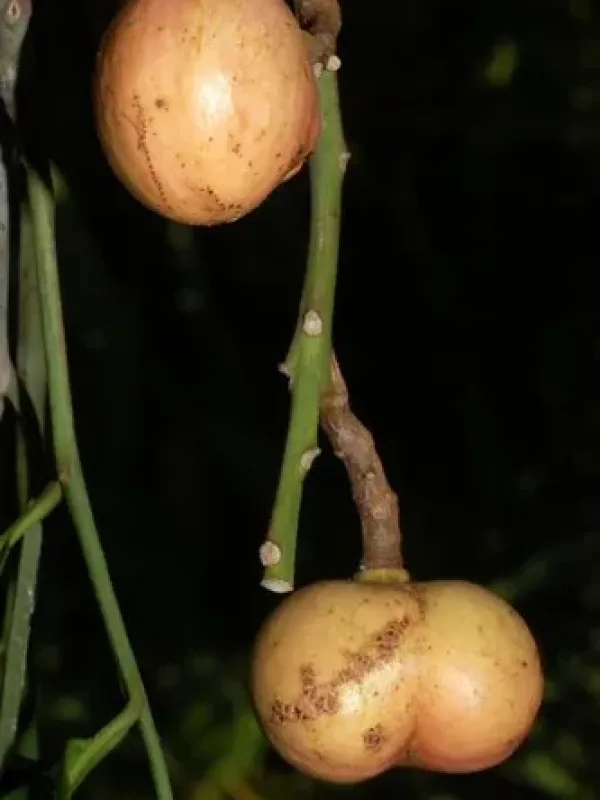
Garlic wood (Dysoxylum alliaceum) is a prominent member of the Meliaceae family, native to the tropical forests of Southeast Asia. The plant earns its common name from the distinct garlic-like odor released when its wood or leaves are bruised or cut.
The cultivation of this species requires a strictly tropical environment with consistent temperatures ranging between 22°C and 30°C. It thrives in well-draining, nutrient-rich soils that support deep root penetration, as the tree is sensitive to waterlogged conditions.
Proper agronomic management involves protecting young saplings from harsh direct sunlight while ensuring they receive adequate filtered light. As the tree matures, it develops a robust canopy that provides natural cover, requiring minimal intervention in a forest-managed ecosystem.
Soil maintenance is crucial for the health of the plant; periodic addition of organic mulch helps retain soil moisture and improves nutrient availability. The plant has a high water requirement, especially during the establishment phase, making irrigation essential in non-rainy periods.
Economically, Dysoxylum alliaceum is valued for both its timber and its secondary metabolites. The oils extracted from the plant contain sulfurous compounds that are studied for their potential antimicrobial properties, reflecting the plant's traditional use in folk medicine.
Main diseases and pests
The tree faces several physiological challenges, including susceptibility to root rot when grown in poorly drained heavy soils. Ensuring site selection with excellent drainage is the primary defense strategy for commercial growers.
Insect pests such as leaf miners and scale insects pose the most significant risk to the foliage of Dysoxylum alliaceum. Regular field scouting and manual removal of heavily infested leaves are effective measures to maintain tree vigor without over-relying on synthetic chemicals.