
Dysoxylum brassii
Dysoxylum brassii
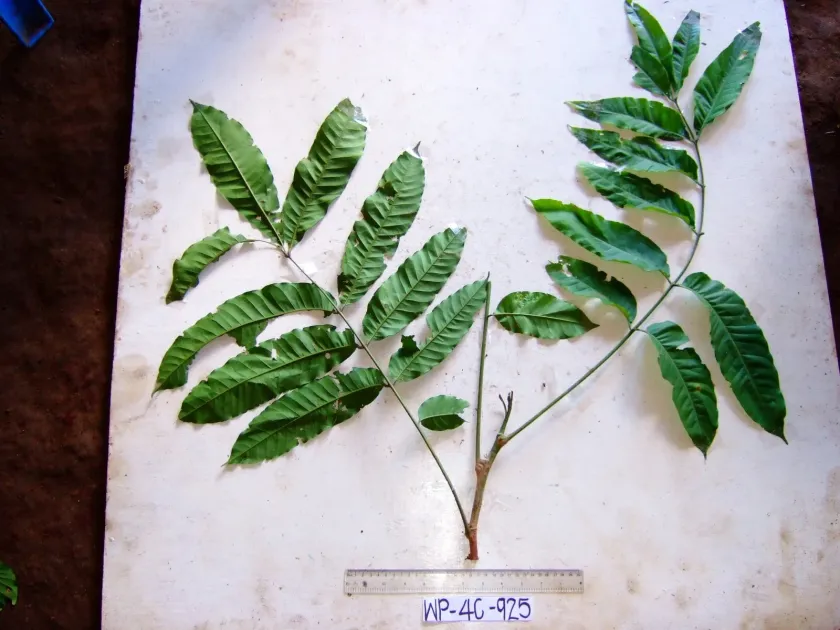
Description
Growing requirements
Dysoxylum brassii is a prominent tropical tree species within the Meliaceae family, native to the lush ecosystems of the tropics. It is characterized by a robust growth habit and is highly valued for its contribution to biodiversity and high-quality timber.
The cultivation of this species requires deep, fertile, and well-draining soils. Given its origin in rainforest environments, the soil must be rich in organic matter to support the rapid development of the root system and to provide essential nutrients throughout the growing season.
Climate requirements for Dysoxylum brassii involve consistent high temperatures and high relative humidity. It does not tolerate frost and thrives best in tropical climates where annual rainfall is distributed fairly evenly, preventing prolonged drought stress.
Agricultural practices for this crop focus on initial establishment and maintenance. Proper spacing is crucial during planting to ensure that individual trees have access to sufficient light and resources, which reduces competition and promotes straight trunk development.
Economic utility is largely centered on the forestry sector. The timber is recognized for its durability and aesthetic appeal, making it a viable candidate for sustainable forest management projects and high-value timber plantations in compatible tropical zones.
Main diseases and pests
Like many trees in the Meliaceae family, Dysoxylum brassii is susceptible to various fungal pathogens that thrive in humid tropical conditions. Root rot and leaf spots are common issues if the planting site does not have optimal drainage.
Pest management is a critical aspect of silviculture for this species. Wood-boring insects present the most significant threat to the commercial quality of the wood, as they can cause severe damage to the inner bark and vascular system of the tree.
Leaf-eating pests, including caterpillars and specific species of beetles, may cause periodic defoliation. While healthy trees can often withstand minor infestation, large-scale outbreaks require integrated pest management strategies to protect growth rates.
Nutritional imbalances can make the tree more susceptible to secondary infections. Regular soil analysis and appropriate fertilization are recommended to ensure the plant maintains its natural defense mechanisms against environmental stressors.
Sanitation practices, such as removing fallen debris and infected branches, are essential for controlling the spread of pathogens within a plantation. These measures significantly reduce the inoculum pressure of harmful fungi and bacteria.