
Dysoxylum arborescens
Dysoxylum arborescens
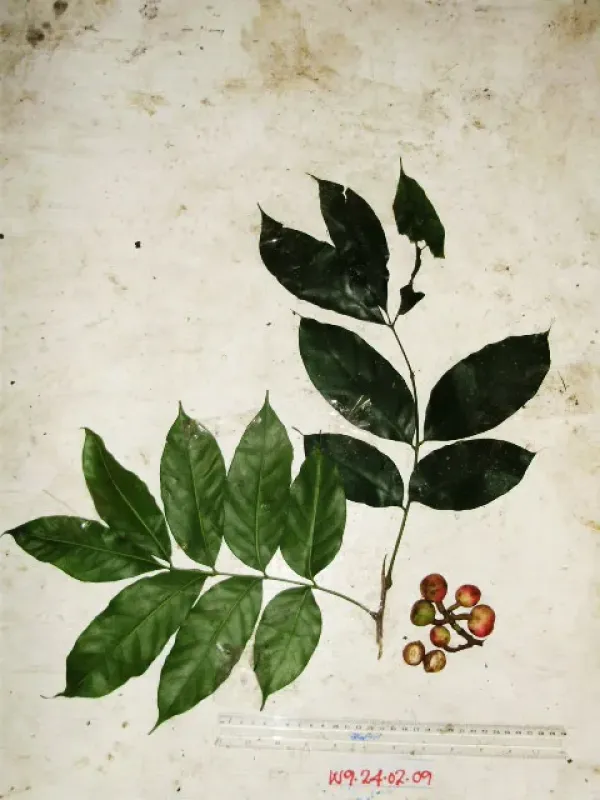
Description
Growing requirements
Dysoxylum arborescens is a notable species within the Meliaceae family, widely distributed across tropical regions. It thrives in humid environments and is recognized for its significant role in forest ecosystems.
The species requires a tropical climate with consistent temperatures and high humidity levels. It thrives in well-draining soils rich in organic matter, which provide the necessary nutrients for long-term growth.
Proper agronomic management involves regular monitoring of soil moisture levels. Although it prefers damp conditions, the tree cannot tolerate waterlogged soils, which may cause root decay and plant mortality.
Botanically, this tree features pinnately compound leaves and small, fragrant flowers. It serves as an ecological anchor, providing habitat and resources for various tropical avian and insect species.
Economically, the timber of Dysoxylum arborescens is valued for its durability and aesthetic quality. In addition, its extracts are subject to research for potential medicinal applications due to their phytochemical composition.
Main diseases and pests
Common pests include leaf-eating caterpillars and scale insects, which can cause significant damage to young foliage. Regular inspection of the canopy is essential to prevent localized outbreaks.
Fungal pathogens such as powdery mildew or leaf spot may occur when air circulation within the canopy is poor. This is particularly prevalent in high-density plantations during the wet season.
Integrated pest management strategies should prioritize biological controls, such as beneficial insects or neem-based treatments, to ensure the sustainability of the cultivation environment.
Nutrient deficiencies, specifically in trace elements, can lead to chlorosis and reduced growth rates. A balanced fertilization program helps maintain the tree's vigor throughout its life cycle.
Pruning is a vital practice for both maintenance and disease prevention. Removing dead or overlapping branches improves airflow and sun penetration, which suppresses fungal development.